
By Lead Child Africa
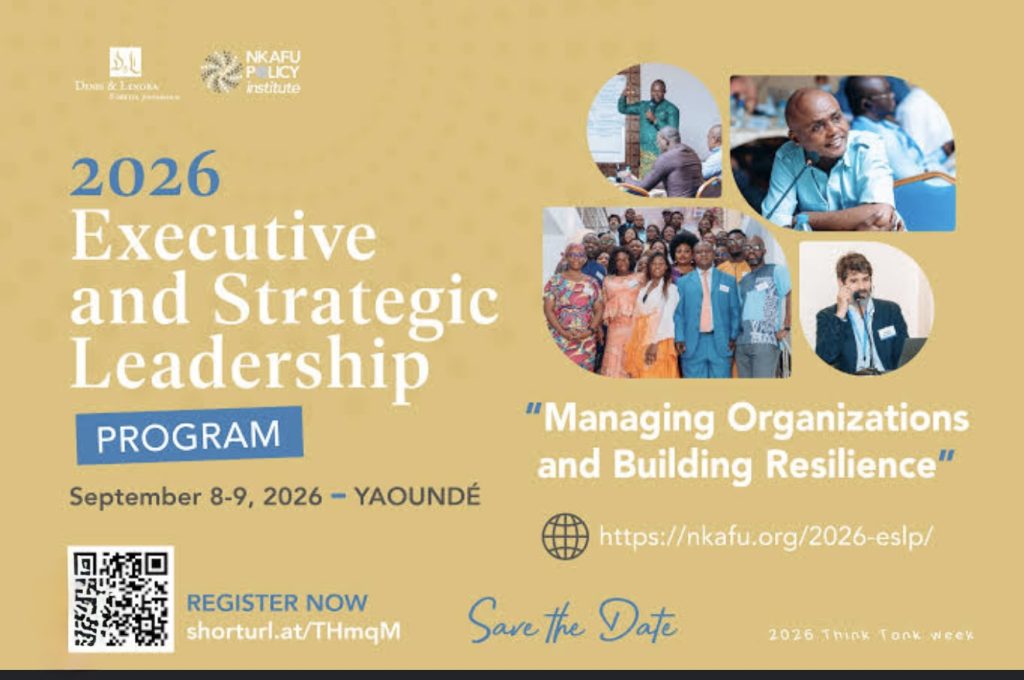
Lead Child Africa was pleased to participate in Think Tank Week 2026, a week dedicated to learning, dialogue, knowledge exchange, and conversations around leadership, policy, institutional development, and sustainable impact.
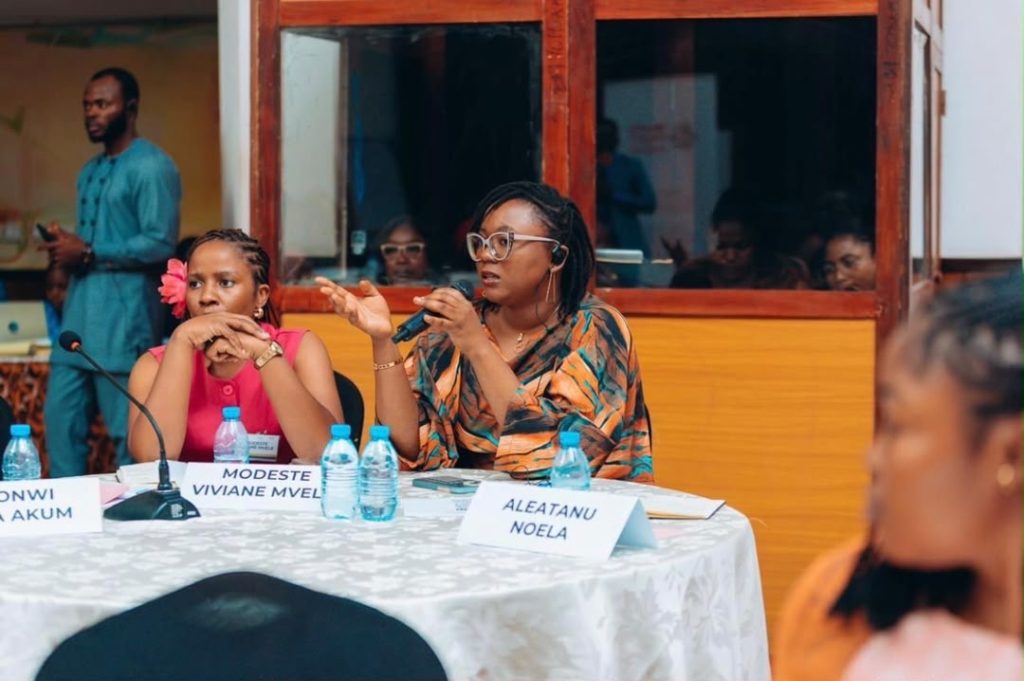
Our journey began with the Executive and Strategic Leadership Programme, a two-day programme that brought together 20 founders and executive leaders from different organizations and sectors. The programme provided an opportunity to step away from the demands of day-to-day organizational work and reflect more intentionally on what it takes to build effective, accountable, and resilient institutions.
The programme, organised by the Nkafu Policy Institute of the Denis & Lenora Foretia Foundation, focused on managing organizations and building institutional resilience. It explored the realities of leading organizations in complex and changing environments, while equipping participants with practical approaches to strengthen organizational performance, leadership, strategy, governance, partnerships, and sustainability.
Moving Beyond Leadership Theory
One of the most valuable aspects of the programme was its practical and participatory approach.
Rather than being a conventional training where participants simply received lessons from facilitators, the programme created room for leaders to bring their own organizational experiences into the conversation.
We shared the work we do, the challenges we encounter, the realities within our organizations, and some of the questions we continue to navigate as leaders.
These experiences became an important part of the learning.
Through facilitated discussions, peer exchange, group work, strategic reflection, and expert perspectives, participants were able to examine these challenges collectively and explore practical ways of addressing them.
For Lead Child Africa, this made the learning particularly relevant. It provided an opportunity not only to acquire new knowledge, but also to reflect on our own organizational journey and learn from the experiences of others working in different contexts.
From Vision to Action
A recurring theme throughout Day One was that leadership goes beyond having a compelling vision.
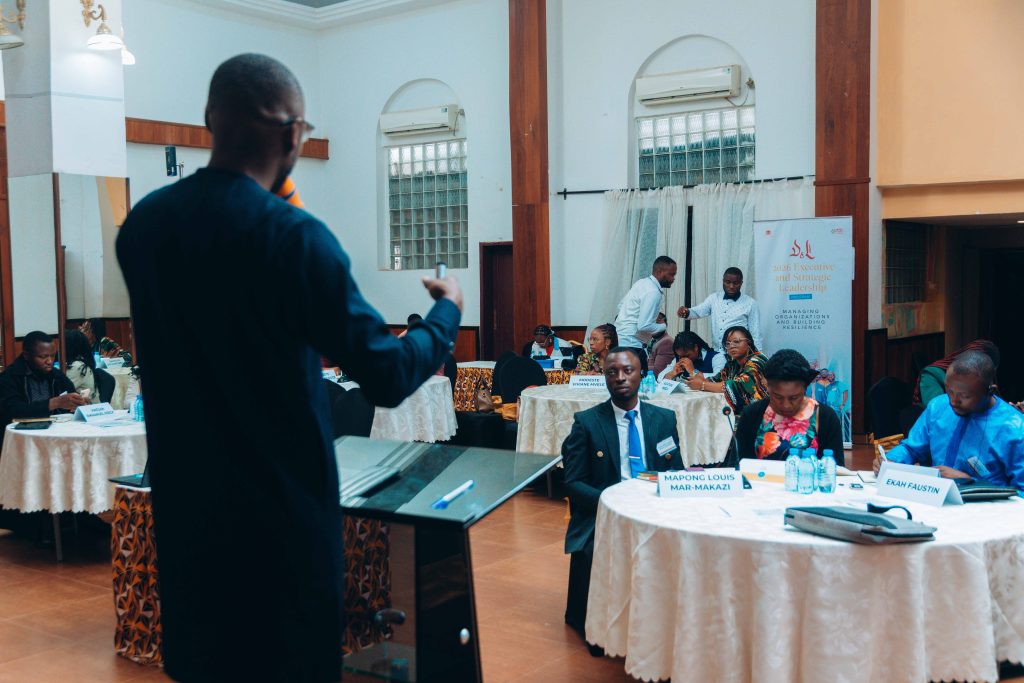
A vision becomes meaningful when it can be translated into clear priorities, realistic plans, capable teams, effective systems, measurable results, and sustained action.
This led to important reflections around organizational performance and the factors that can prevent institutions from achieving their objectives.
Are our teams aligned around a common vision and mission?
Are our plans realistic and responsive to the realities we face?
Do we have the right people in the right positions?
Are responsibilities clearly defined?
Are our systems enabling our teams to perform effectively?
And perhaps most importantly, are we willing to honestly examine what is not working?
These questions reinforced the importance of organizational self-assessment, alignment, appropriate staffing, realistic planning, effective implementation, and accountability.
The Importance of Adaptive Leadership
The programme also introduced participants to the concept of adaptive leadership and its relevance in navigating complex organizational challenges.
Not every problem has a straightforward or technical solution.
Some challenges require organizations to rethink existing approaches, examine behaviours and relationships, learn collectively, and adapt to changing circumstances.
This requires leaders who are willing to listen, create space for learning, manage tension, and remain present even when the answers are not immediately clear.
Importantly, leadership and influence do not always depend on formal authority. Change can also be driven by individuals who help others understand challenges, encourage collective learning, and create opportunities for people to participate in developing solutions.
For organizations working on complex social issues, this is particularly important. The environments in which we operate continue to evolve, and the needs of the communities we serve require us to remain responsive, reflective, and willing to adapt.
Governance, Accountability and Responsibility
Leadership was also examined through the lens of governance and accountability.
Effective leadership is ultimately a responsibility to serve, create impact, and remain accountable for decisions and actions.
Strong institutions cannot be built around authority alone. They require integrity, responsible decision-making, clear structures, accountability, and a commitment to delivering results.
For Lead Child Africa, this is an important reminder that the strength of an organization is not measured only by the work it delivers externally, but also by the systems, values, and accountability mechanisms that guide how that work is carried out.
Strategic Planning and Organizational Alignment
Another important area of reflection was strategic planning.
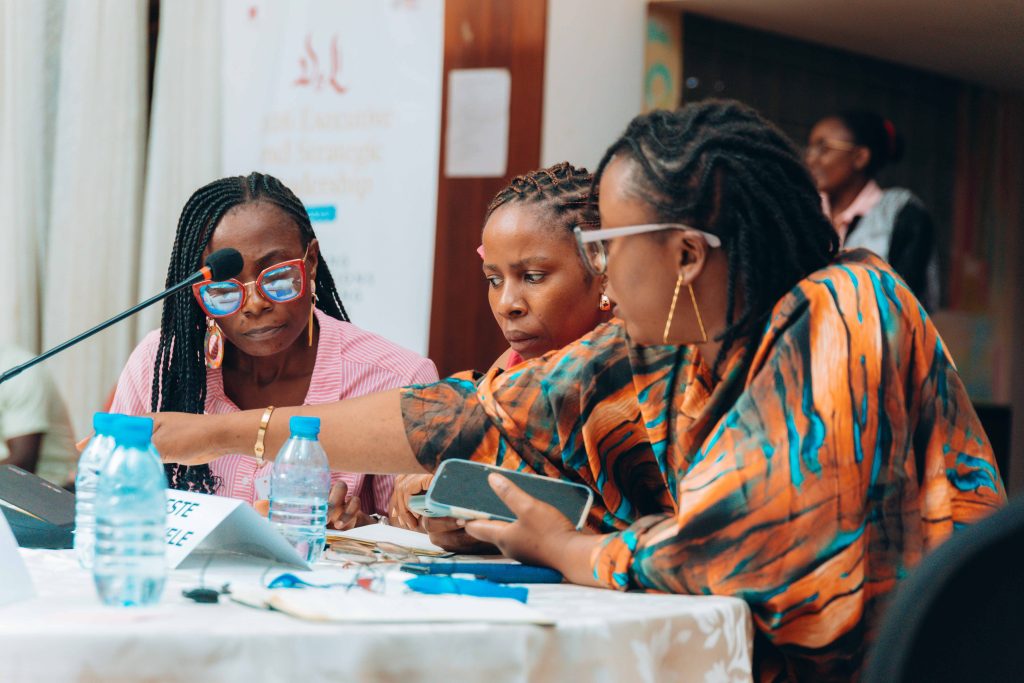
A strategic plan should do more than exist as a document. It should help an organization understand where it is, where it wants to go, what needs to be done to get there, who is responsible, and how progress will be measured.
The discussions emphasized the importance of setting clear priorities, identifying organizational strengths and areas for improvement, establishing short-, medium-, and long-term objectives, defining responsibilities, and creating mechanisms for monitoring progress.
The programme also highlighted the value of a participatory, bottom-up approach to strategic planning.
Organizational strategy should not belong to one person or one department. When team members understand how their individual contributions connect to collective objectives, organizations are better positioned to build ownership, alignment, and accountability.
Partnerships and Sustainability
No organization operates in isolation.
The programme encouraged participants to think more intentionally about strategic partnerships—considering shared values, organizational priorities, stakeholder expectations, mutual contributions, and clarity of roles.
Partnerships should go beyond simply having organizations associated with one another. Strong partnerships should create value, complement existing strengths, and contribute meaningfully to shared objectives.
Resource mobilisation and financial sustainability were equally important areas of discussion.
For organizations working for social impact, sustainability requires intentional financial planning and diversification. Dependence on a single funding source can create significant operational risks.
Exploring diverse funding opportunities, strategic partnerships, resource-sharing arrangements, and sustainable financial strategies is therefore an important part of building resilient institutions.
What This Means for Lead Child Africa
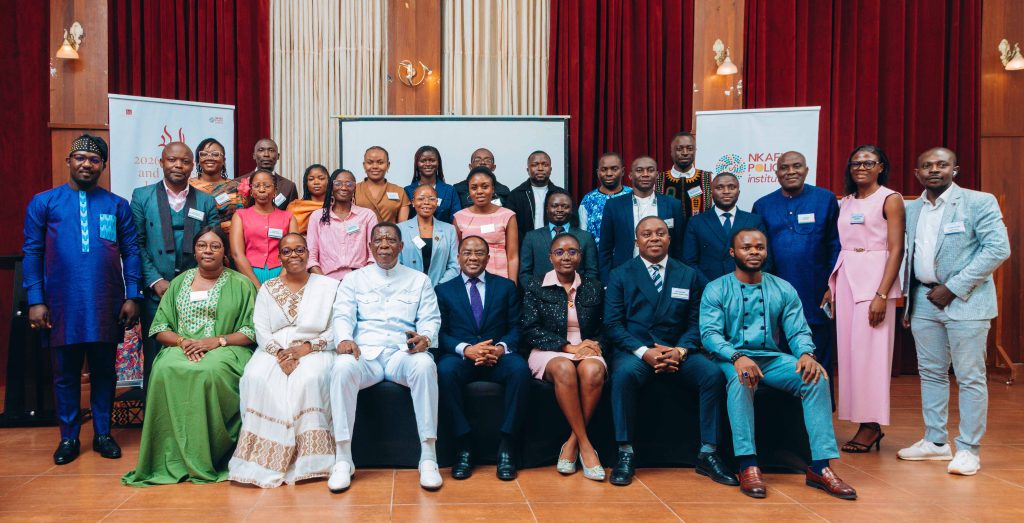
The Executive and Strategic Leadership Programme gave Lead Child Africa an opportunity to pause, reflect, learn, and look ahead.
As an organization committed to advancing the rights, protection, wellbeing, and opportunities of children and communities, the quality of our internal leadership and systems matters.
The programme reinforced our understanding that meaningful and sustainable impact requires strong institutions.
It requires leaders who are willing to learn and unlearn.
It requires teams that are aligned around a shared purpose.
It requires systems that support accountability and performance.
It requires strategic partnerships and sustainable resources.
And it requires the courage to adapt when the context changes.
Our participation in Think Tank Week was therefore not simply about attending a programme. It was an opportunity to strengthen our thinking, challenge our assumptions, learn from other leaders, and reflect on how Lead Child Africa can continue building an institution capable of delivering meaningful and lasting impact.
The work we do for children and communities is too important to rely on passion alone. We must continue building the leadership, systems, partnerships, and institutional resilience needed to carry that work forward.
Day One of Think Tank Week was an important step in that journey, and a reminder that the institutions we build today shape the impact we are able to create tomorrow.
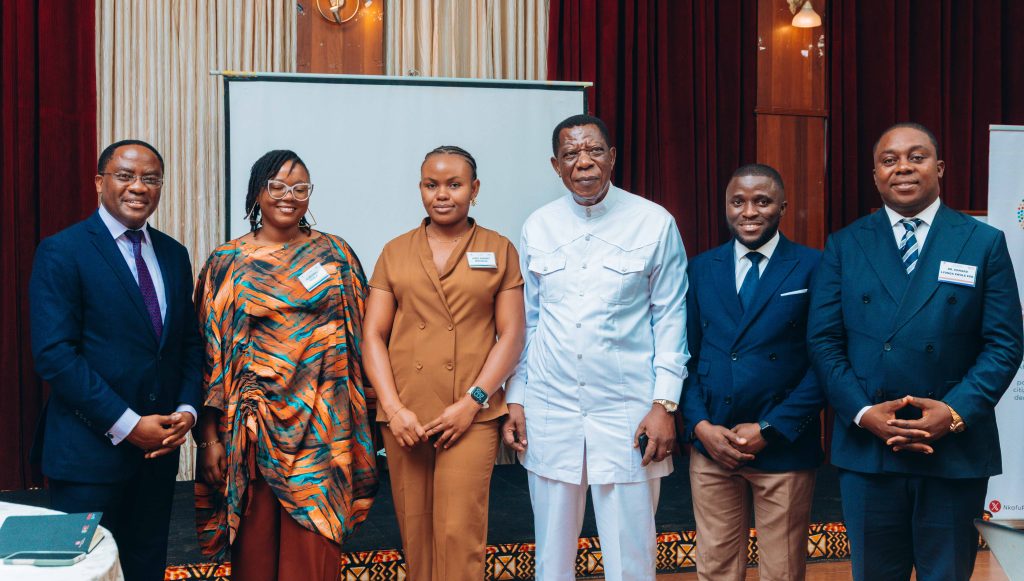
Group picture