USING FILMS AS A TOOL TO EDUCATE, INSPIRE DIALOGUE, AND PROMOTE SAFER LEARNING ENVIRONMENTS FOR ALL STUDENTS
Introduction: Beyond Awareness: Creating Safe Spaces for Change
Across many communities in Cameroon, conversations around sexual and gender-based violence (SRGBV) remain deeply silenced—often buried under layers of culture, stigma, and discomfort. Yet, the consequences of this silence are profound, particularly for children and adolescents navigating unsafe environments without the knowledge or support they need.
At Lead Child Africa, our work is rooted in a simple but urgent belief: children must not only be protected—they must be heard. This belief continues to shape our approach to child protection, education, and advocacy, ensuring that interventions are not only informative but also transformative. (LinkedIn)
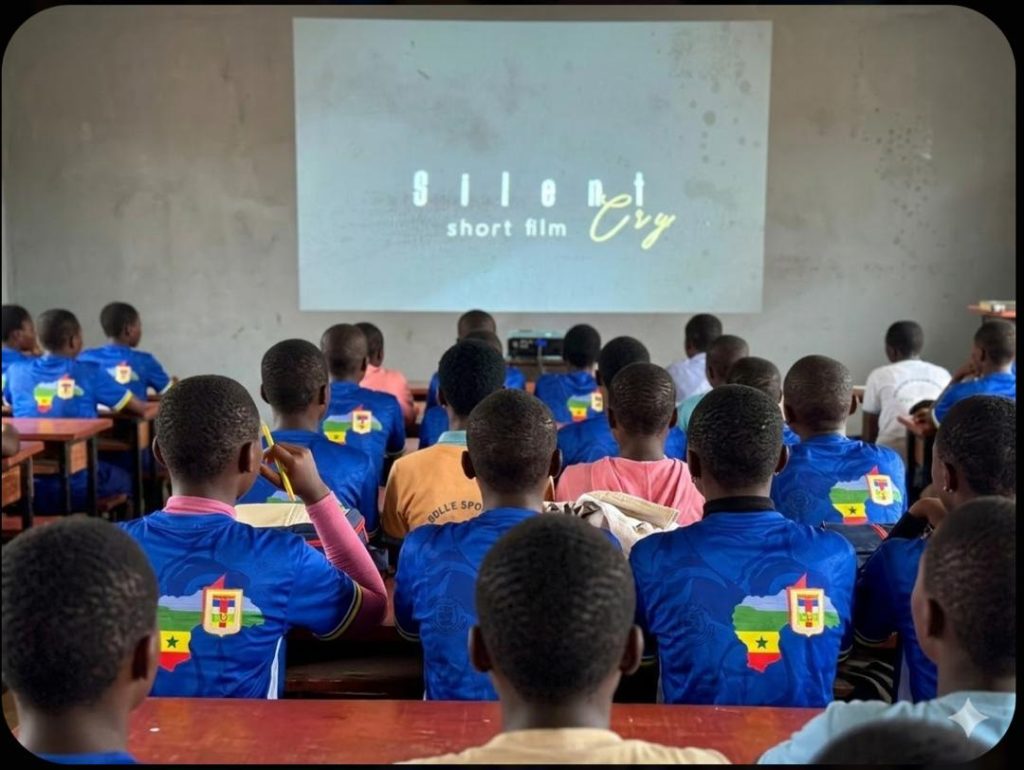
It is within this context that we launched our first school engagement under our SRGBV prevention project—introducing a film-based approach as an entry point for dialogue.
Why a Film-Based Approach?
Traditional awareness methods often struggle to address deeply sensitive issues like sexual violence. Students may feel judged, afraid, or unsure of how to express themselves. As a result, critical conversations are either avoided or remain superficial.
Film, however, changes this dynamic.
Stories—when seen and felt—create emotional connections. They allow students to:
- Recognize real-life situations without direct exposure
- Reflect on complex issues in a safe and indirect way
- Engage in discussions without fear of personal judgment
By using film, we shift from simply telling students what is wrong to helping them experience, question, and understand.
This aligns with broader advocacy trends where creative approaches—such as storytelling and community engagement—are increasingly used to address gender-based violence and empower young people.
The First School Engagement: What Happened?
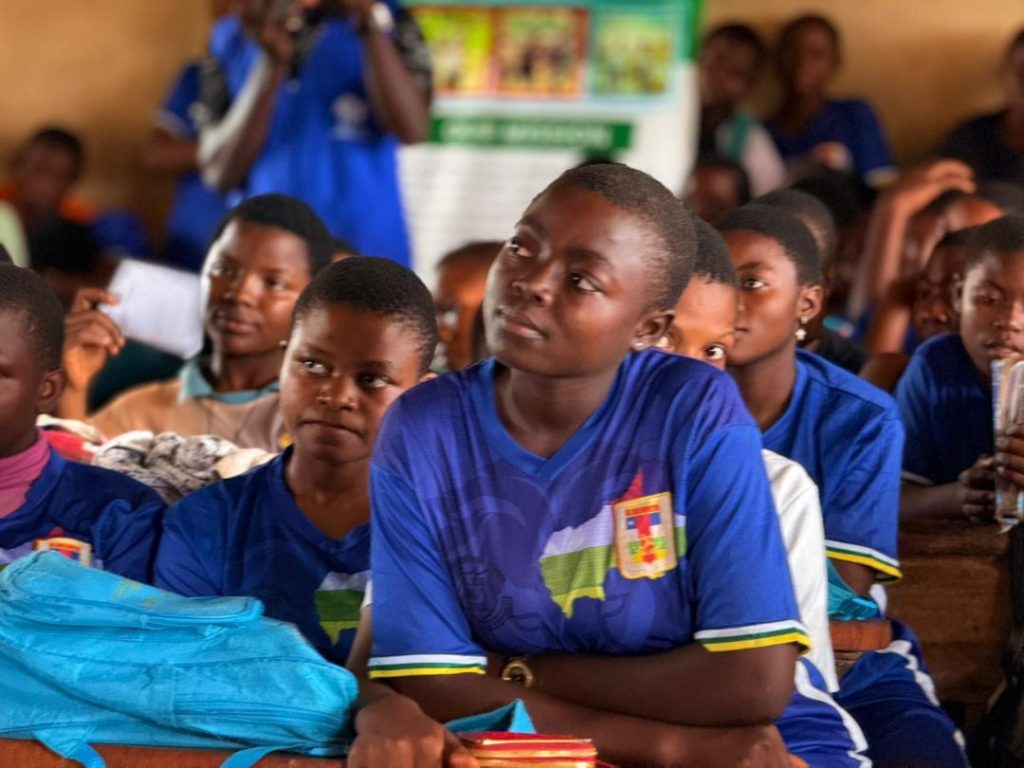
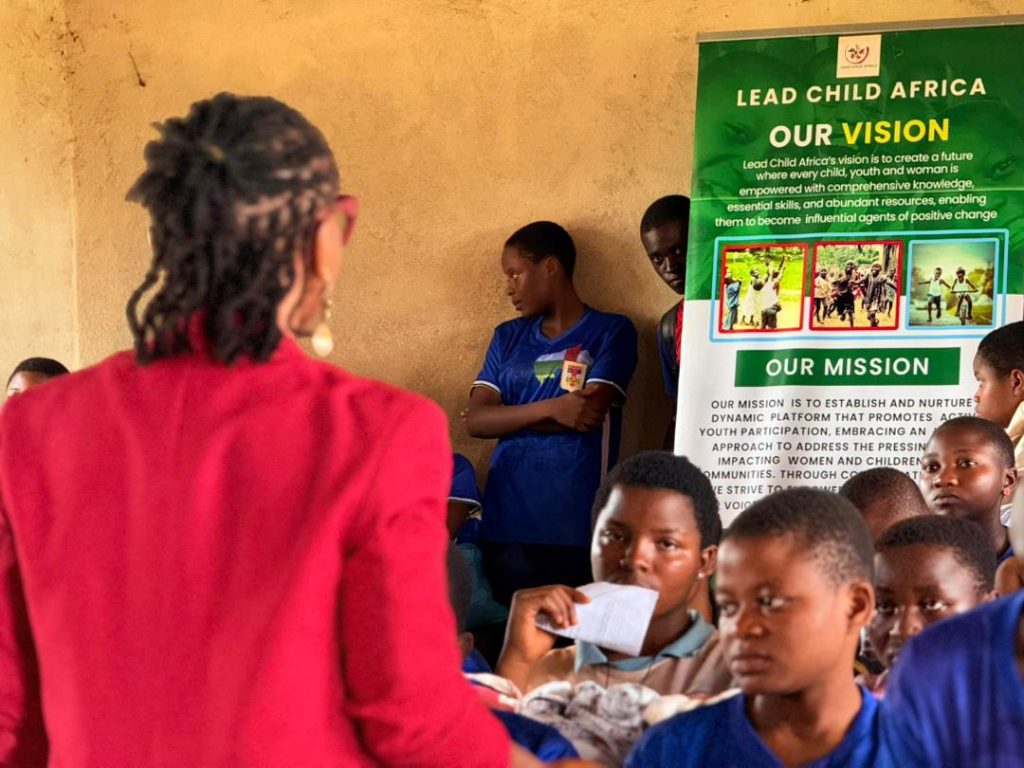
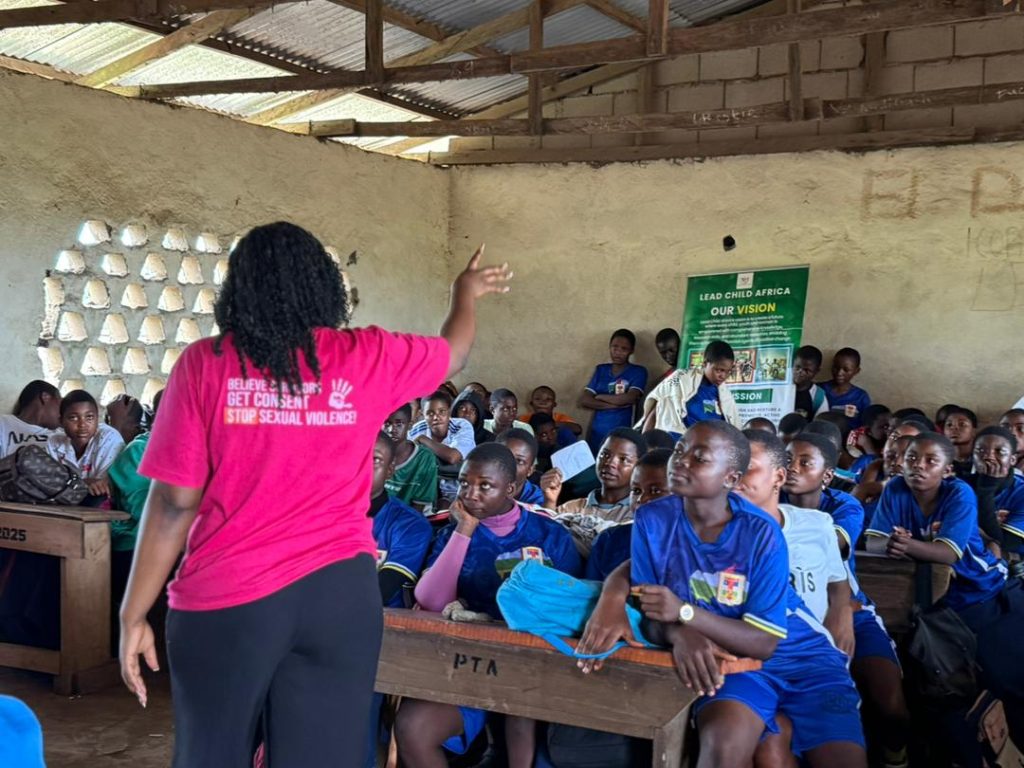
On Wednesday, we implemented our first session in a secondary school setting. The engagement was designed to go beyond passive learning and instead foster active participation and critical thinking.
The session included:
- Film screening and guided reflection
- Educational talks on SRGBV
- Interactive Q&A sessions
- A structured student debate
From the onset, it became clear that students were not only attentive they were ready to speak.
The Power of Dialogue: When Students Begin to Speak
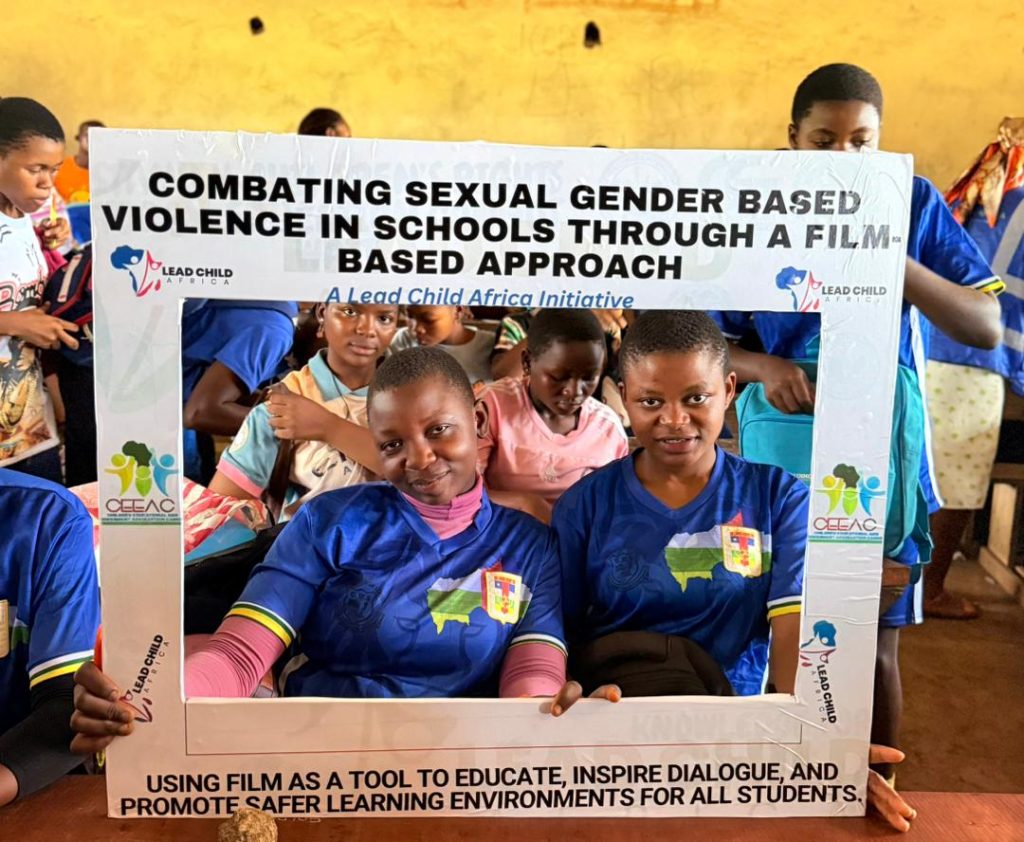
One of the most defining moments of the session was a debate centered on the question:
“Can sex education in schools reduce sexual exploitation?”
What followed was not just a discussion—but a powerful exchange of perspectives shaped by lived realities.
One student shared:
“Parents don’t want to talk about sex education because of culture.”
Another responded with a question that shifted the entire room:
“Between culture and school… which comes first?”
This moment captured the very tension at the heart of SRGBV prevention:
- The influence of cultural norms
- The responsibility of educational systems
- The silence that exists between both
A Critical Insight: The Role of Parents and Schools
As the discussion deepened, a key consensus emerged among the students:
- Schools provide structured, accurate, and essential knowledge
- Parents remain the first and most influential educators in a child’s life
However, when cultural barriers prevent open conversations at home, children are left vulnerable—forced to navigate critical issues without guidance.
This creates a dangerous gap.
So, who should teach children about sex education?
Our position is clear: Both parents and schools must work together.
Not in competition but in collaboration.
Because:
- When one is silent, the other must speak
- When both are aligned, children are not only informed—they are protected, confident, and empowered
From Conversations to Documentation: The Next Phase
Perhaps the most powerful outcome of this engagement was not just participation—but openness.
Students spoke.
Students questioned.
Students reflected.
And in doing so, they revealed something deeper:
there are stories that need to be heard.
This realization is shaping our next phase of the project.
We are now exploring documentary storytelling as a tool to:
- Capture real student voices and experiences
- Preserve authentic narratives around SRGBV
- Strengthen advocacy efforts beyond the classroom
- Create long-term educational resources for communities
In Cameroon, storytelling especially through film has proven to be a powerful medium for social change, with filmmakers using documentaries to address complex societal issues and amplify unheard voices.
Conclusion: This Is Only the Beginning
This first engagement reaffirmed an important truth:
When given the right environment, young people will speak.
And when they speak, they do not just share opinions they reveal realities, challenge norms, and inspire change.
At Lead Child Africa, we remain committed to building these safe spaces, amplifying these voices, and driving conversations that lead to action.
Because ending sexual and gender-based violence in schools is not just about awareness
it is about listening, engaging, and transforming systems together.
What Comes Next
This is only the beginning of a much larger journey.
In our next publication, we will:
- Share real stories emerging from these engagements
- Highlight key gaps that still exist
- Explore what more needs to be done to protect children
Stay with us. The conversation continues.