FUNDED BY THE GOETHE INSTITUT, OF THE GERMAN FOREIGN GOVERNMENT
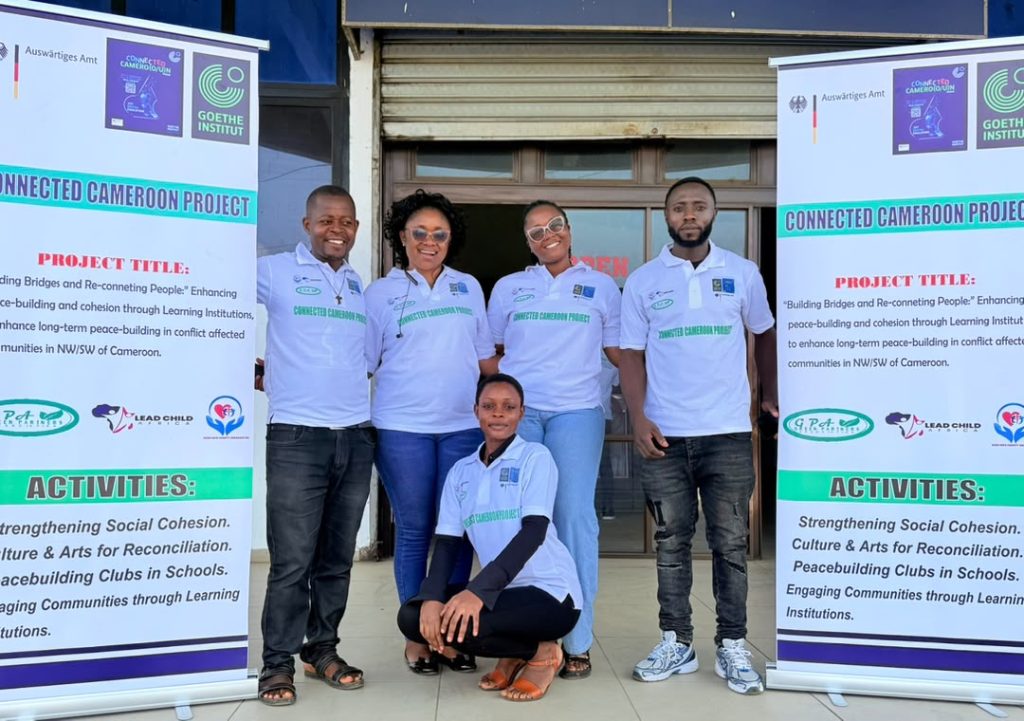
From training teachers and establishing Peace Clubs to mentoring young peace ambassadors and celebrating student-led peace initiatives across the Northwest and Southwest Regions.
eace begins with the choices people make every day: how they treat one another, how they resolve disagreements, how they respond to differences, and how they contribute to the communities around them.
In schools, these choices matter even more. Schools bring together children and young people from different backgrounds, experiences and perspectives. They are not only places for academic learning; they are also important spaces for building relationships, developing values, learning peaceful conflict resolution and preparing young people to become responsible citizens.
Recognising this, Green Partners Association, Lead Child Foundation, also known as Lead Child Africa (LCA), and Good Hope Charity Organization came together to implement the first phase of the project titled “Building Bridges and Re-Connecting People: Enhancing Peacebuilding and Social Cohesion through Learning Institutions.”
Implemented across the Northwest and Southwest Regions of Cameroon, the project sought to strengthen peacebuilding and social cohesion within learning institutions by establishing school-based Peace Clubs and raising a new generation of young Peace Ambassadors equipped to promote peaceful coexistence within their schools and beyond.
The first phase brought together 20 schools, with 10 schools participating in each region. Through a series of interconnected activities, the project moved from school selection and capacity building to the establishment of Peace Clubs, mentorship sessions and a regional showcase where students expressed their understanding of peace through creativity, dialogue and collective action.
The project was funded by the German Federal Government through the Goethe-Institut Cameroon.
1. Laying the Foundation: Selecting 20 Schools Across Two Regions
The first phase began with the identification and selection of 20 schools across the Northwest and Southwest Regions of Cameroon.
The decision to work through learning institutions was deliberate. Schools provide an important entry point for reaching children and young people, supporting positive relationships among peers, and creating opportunities for peace education to become part of everyday school life.
Rather than approaching peacebuilding as a conversation that happens only during special events, the project sought to establish structures within schools through which students could continue learning, practising and promoting peaceful coexistence.
Ten schools were selected in the Northwest Region, where Green Partners Association led implementation. In the Southwest Region, Lead Child Africa and Good Hope Charity Organization jointly led the implementation process across another 10 schools.
This regional approach enabled the project to bring together schools from two regions experiencing the effects of the ongoing crisis in the English-speaking regions of Cameroon. It also created an opportunity to strengthen peacebuilding efforts at the community level by equipping young people with practical ways to contribute to safer, more inclusive and more peaceful learning environments.
The selected schools became the foundation for a network of school-based Peace Clubs, with participating students expected to take an active role in promoting peace among their peers.
At this stage, the project established an important principle: young people should not only be recipients of peace education. They should also be supported to become active participants in building and sustaining peace.
2. Strengthening the Adults Who Guide Young People: Training Peace Club Matrons and Patrons
With the schools identified, the project moved to a critical second activity: training the teachers designated as Peace Club Matrons and Patrons.
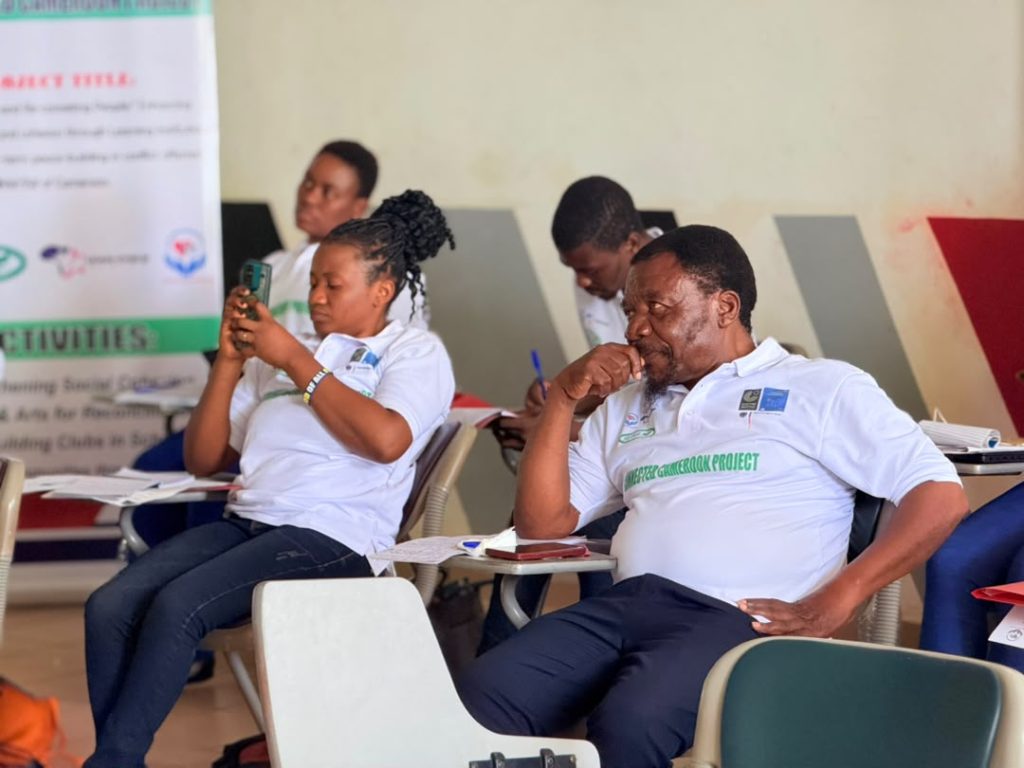
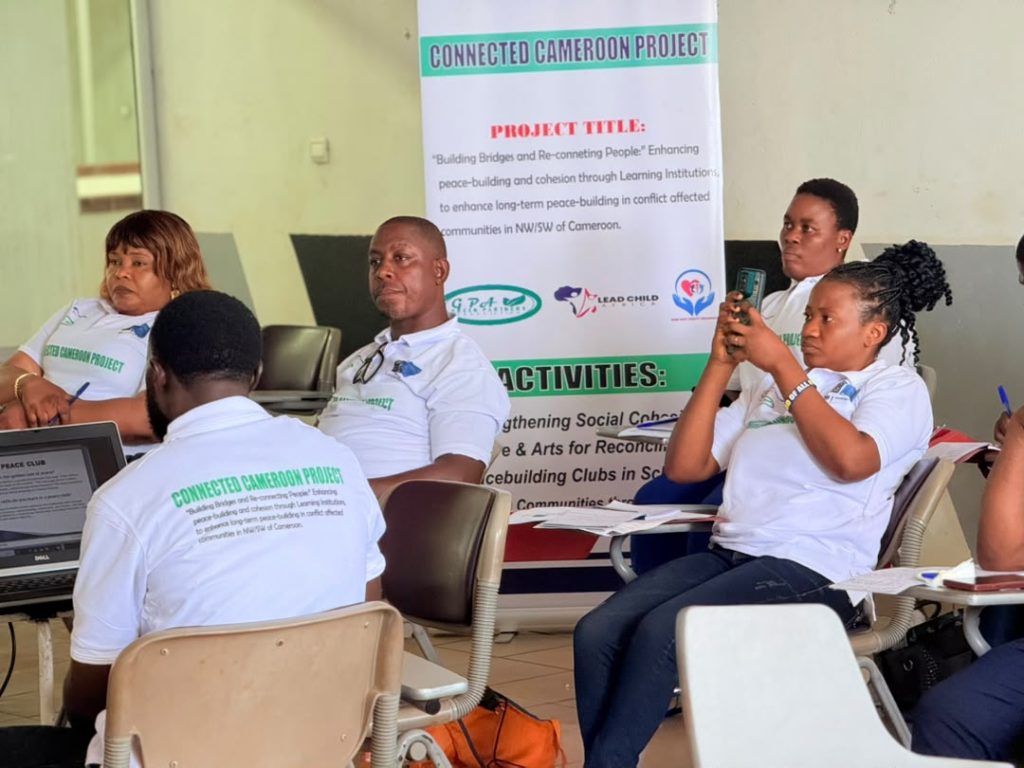
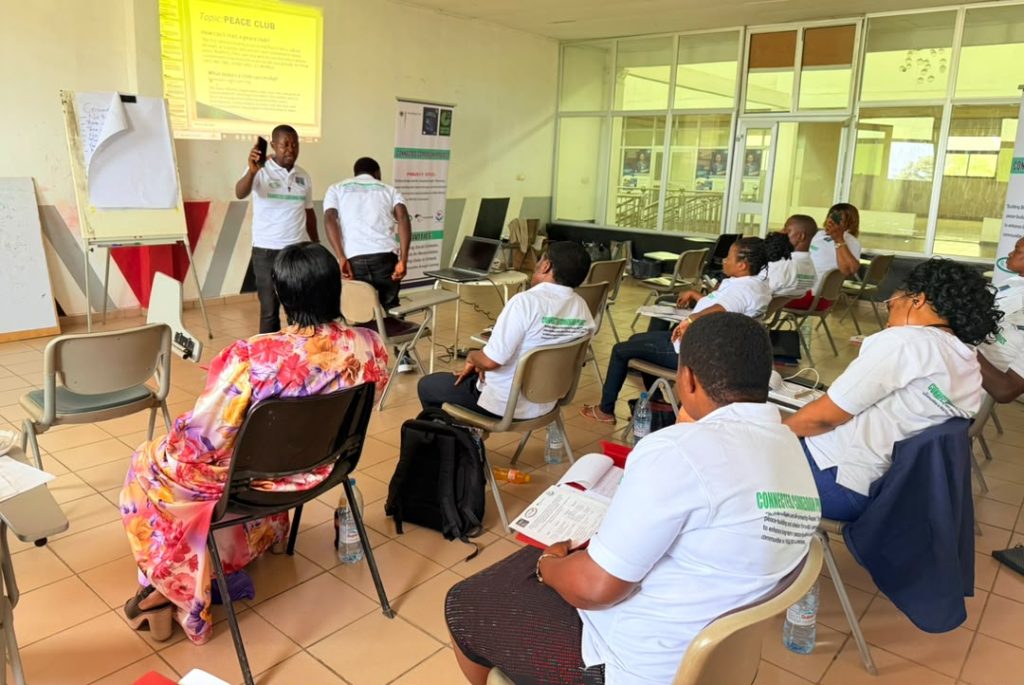
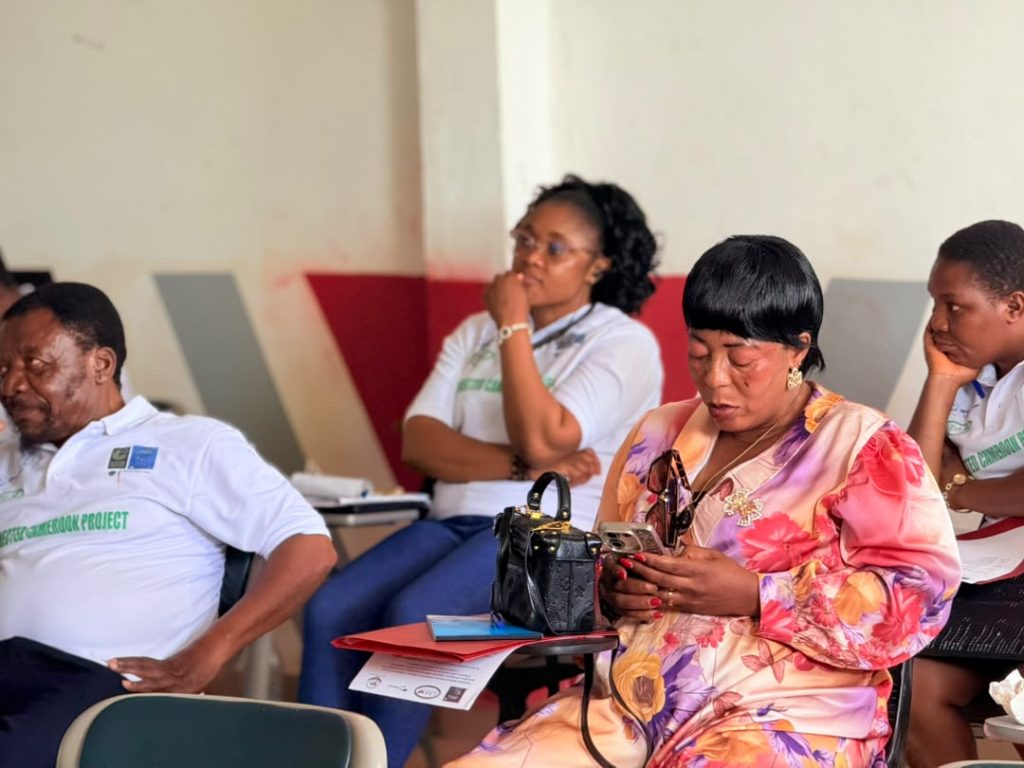
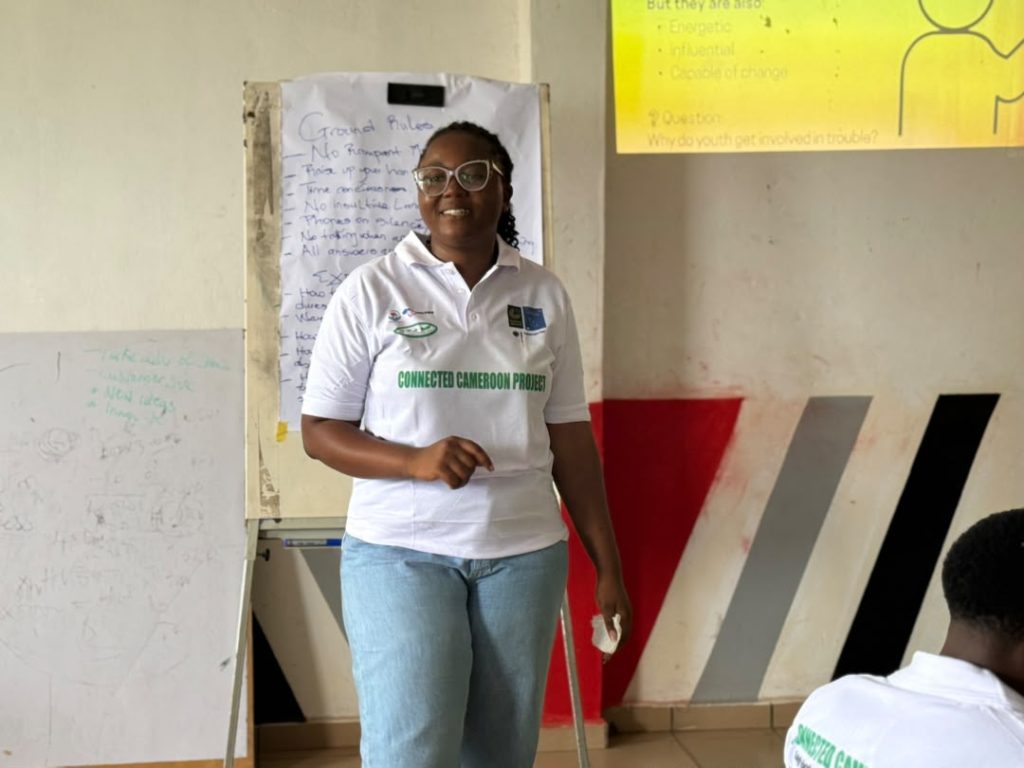
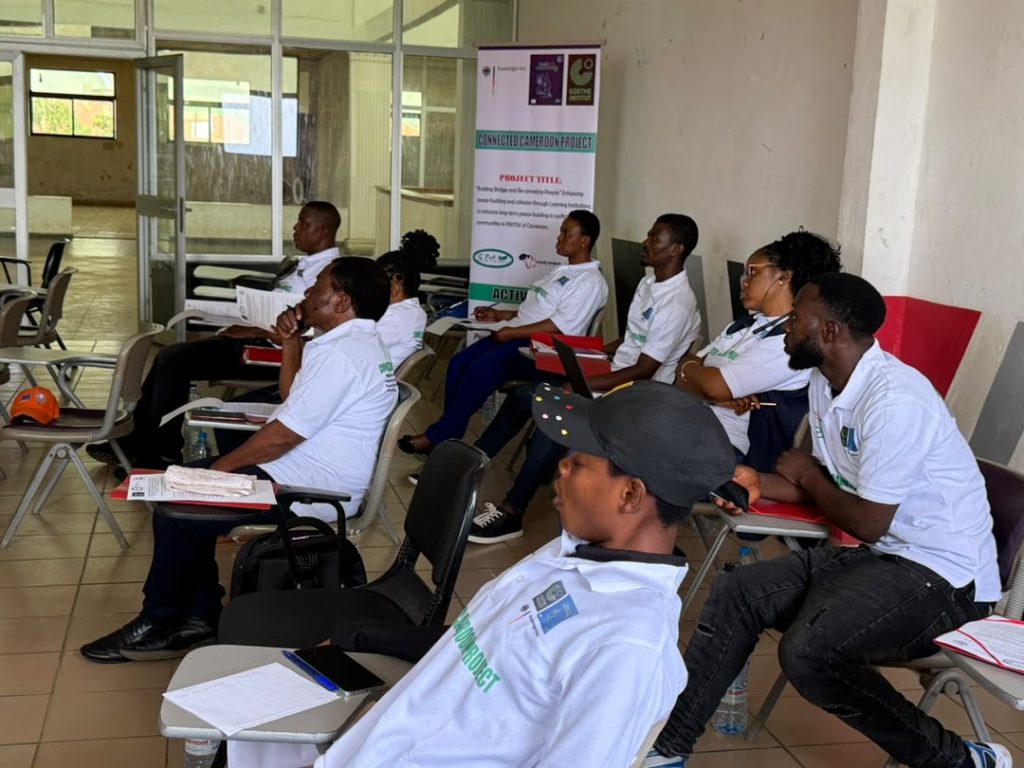
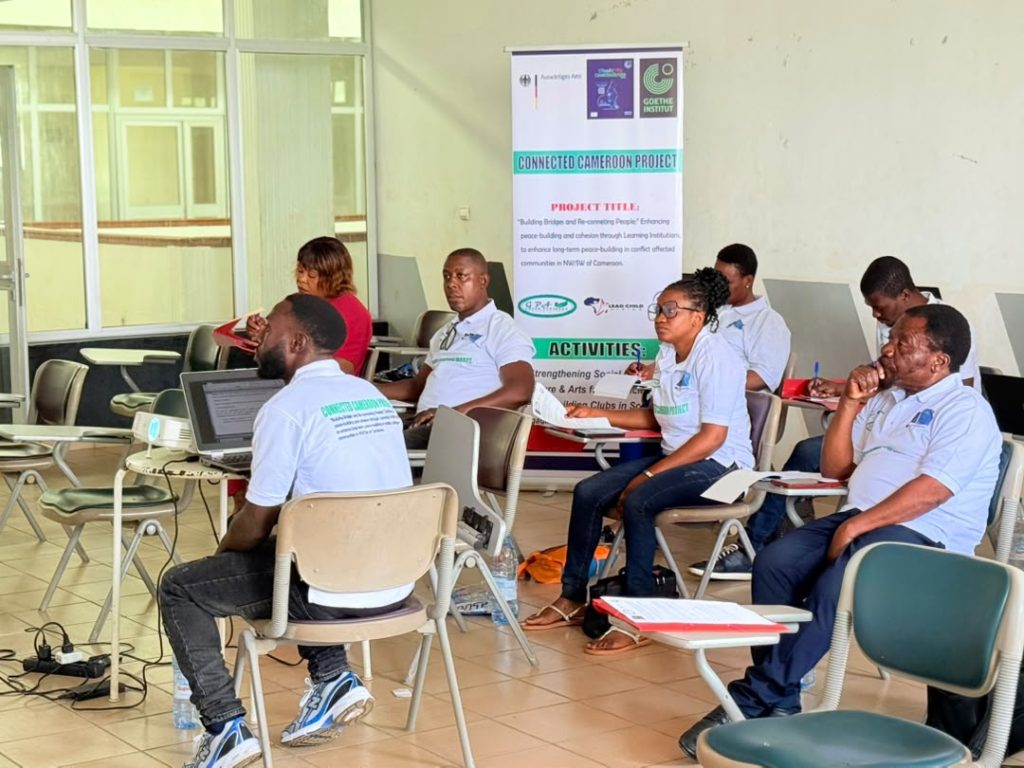
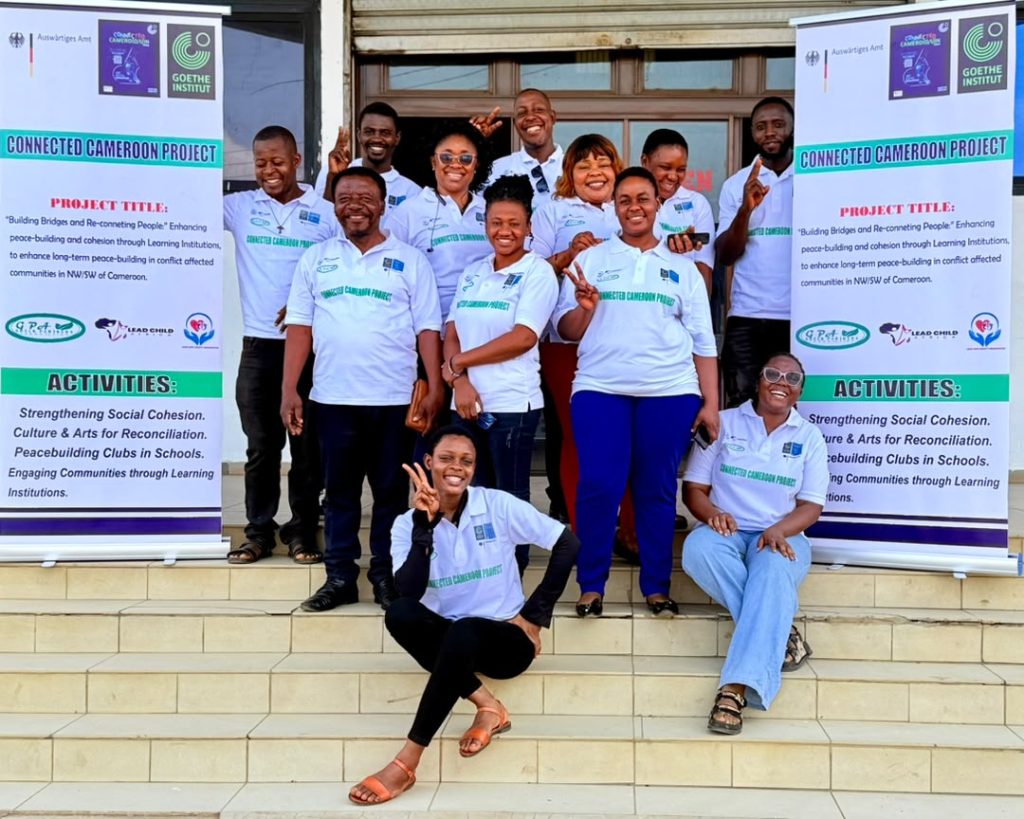
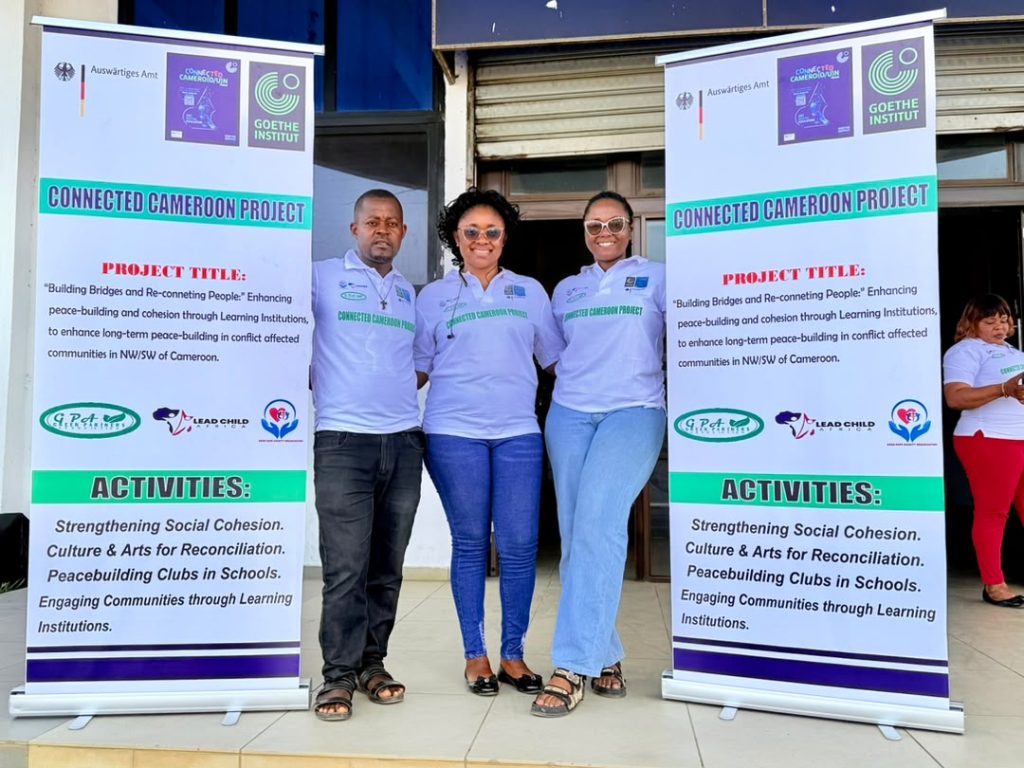
Teachers play an important role in shaping how students understand discipline, relationships, disagreement and respect. Their responses to conflict can influence whether students learn to communicate constructively or resort to hostility, exclusion and other harmful behaviours.
For this reason, establishing Peace Clubs required more than identifying interested students. It also required preparing teachers to guide the clubs, support their activities and help sustain their work within the school environment.
The project therefore organised training sessions for the designated Club Matrons and Patrons in both regions.
The training provided a foundation for the teachers’ roles in supporting school-based peacebuilding initiatives. It focused on strengthening their capacity to guide students as they explored peace, peaceful coexistence, social cohesion and the importance of resolving disagreements without violence.
The Matrons and Patrons were positioned as adult mentors who could help students translate the ideas discussed during the project into practical actions within their schools.
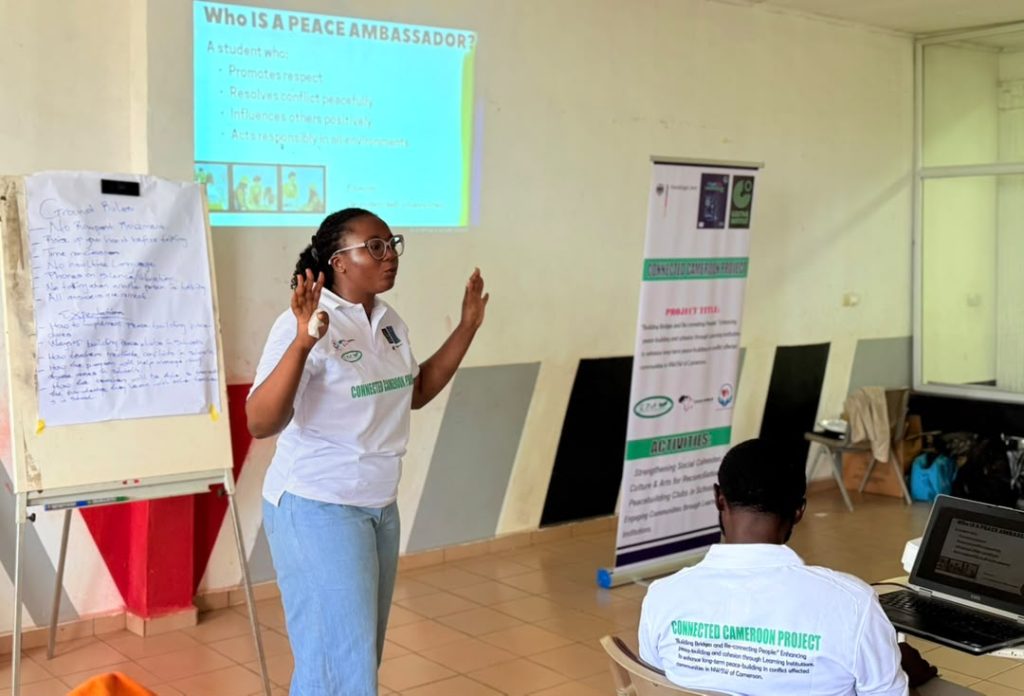
Their involvement was particularly important because the Peace Clubs were intended to continue functioning beyond individual project activities. Teachers would provide guidance, support student participation and help create opportunities for members to organise activities that promote peace.
By investing in the capacity of these teachers, the project recognised that sustainable peacebuilding in schools requires both motivated young people and supportive adults who are prepared to guide them.
The training also laid the groundwork for the next stage: establishing the Peace Clubs and introducing students to their roles as emerging Peace Ambassadors.
3. Establishing 20 School Peace Clubs: Turning the Vision into Action
Following the training of the Club Matrons and Patrons, the project proceeded to establish Peace Clubs in the 20 selected schools.
Ten Peace Clubs were established in the Northwest Region and another 10 in the Southwest Region.
This was a central milestone in the first phase. The project moved from preparing schools and teachers to creating practical structures through which students could participate in peacebuilding activities.
The Peace Clubs were designed to provide students with a space to engage with questions that affect their daily lives: How can students resolve disagreements peacefully? What can young people do when they witness bullying or exclusion? How can students respect people whose views or backgrounds differ from their own? What responsibility does each student have in creating a peaceful school?
Through these clubs, peacebuilding became something students could actively explore and practise rather than simply a concept they encountered in a classroom discussion.
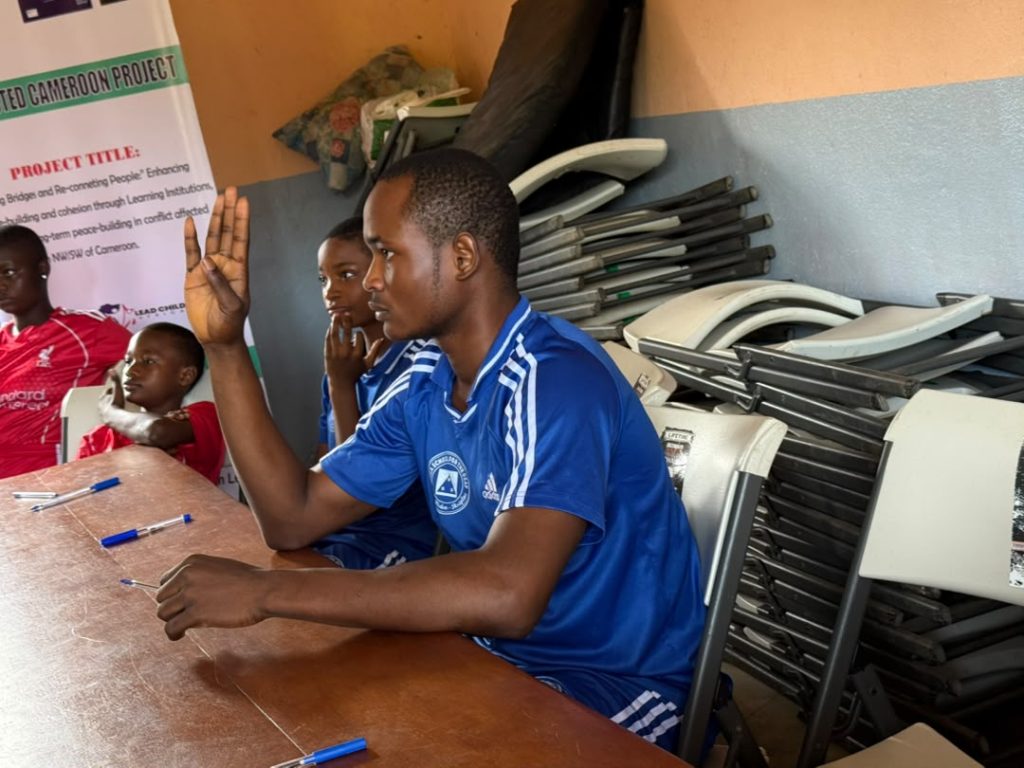
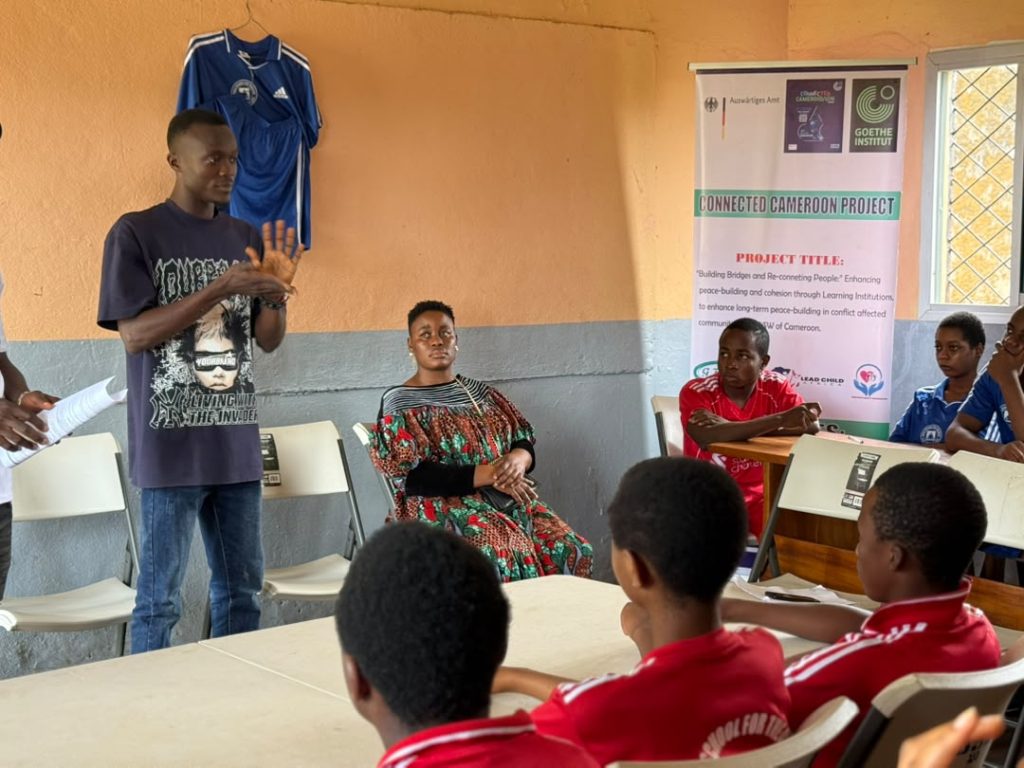
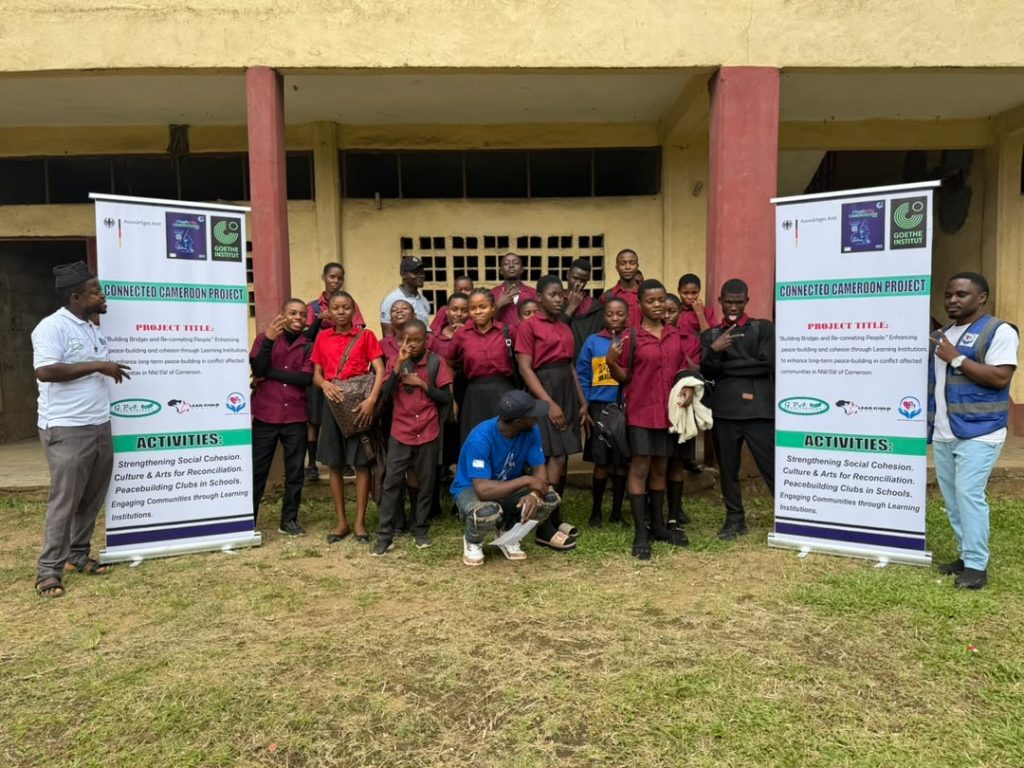
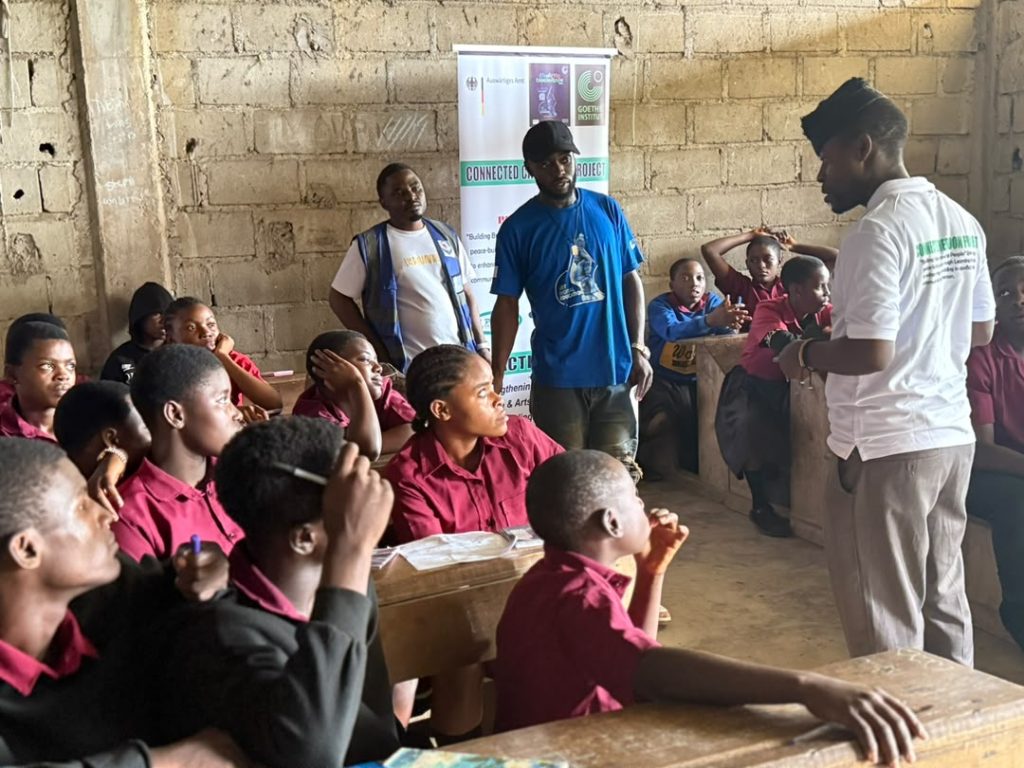
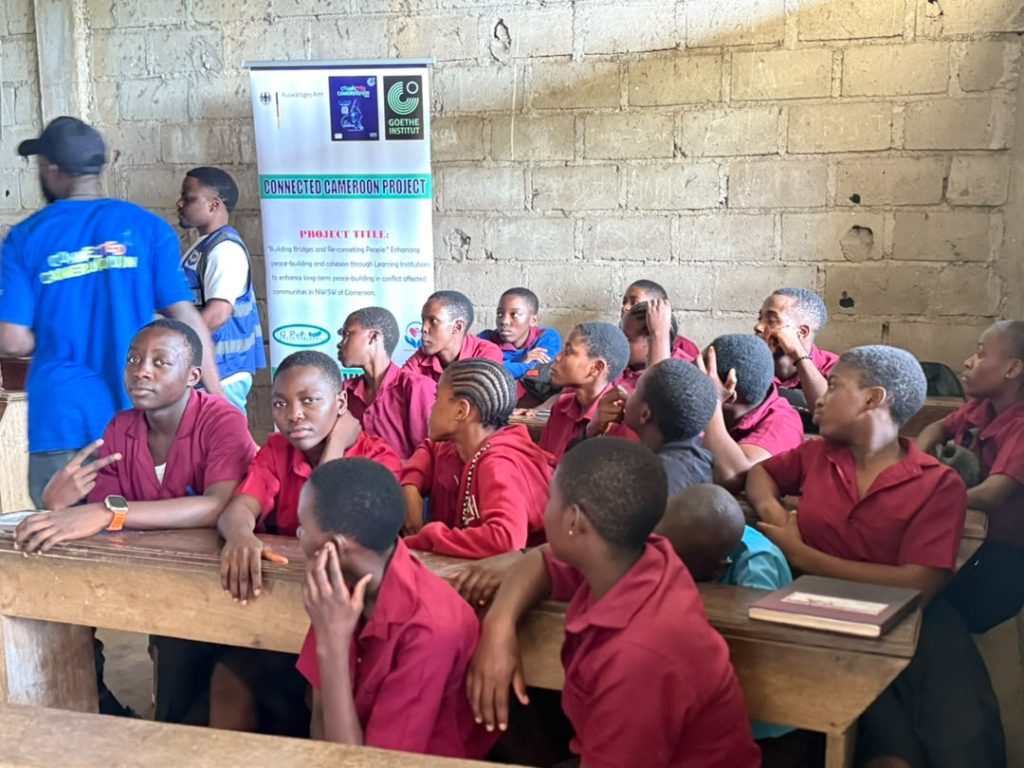
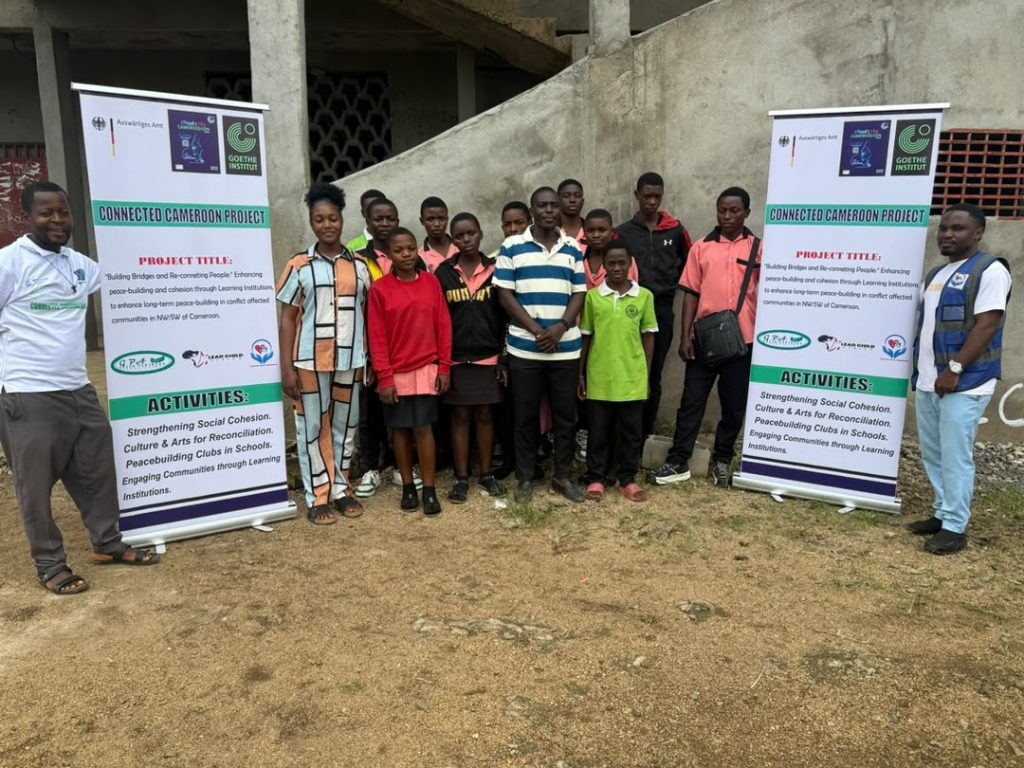
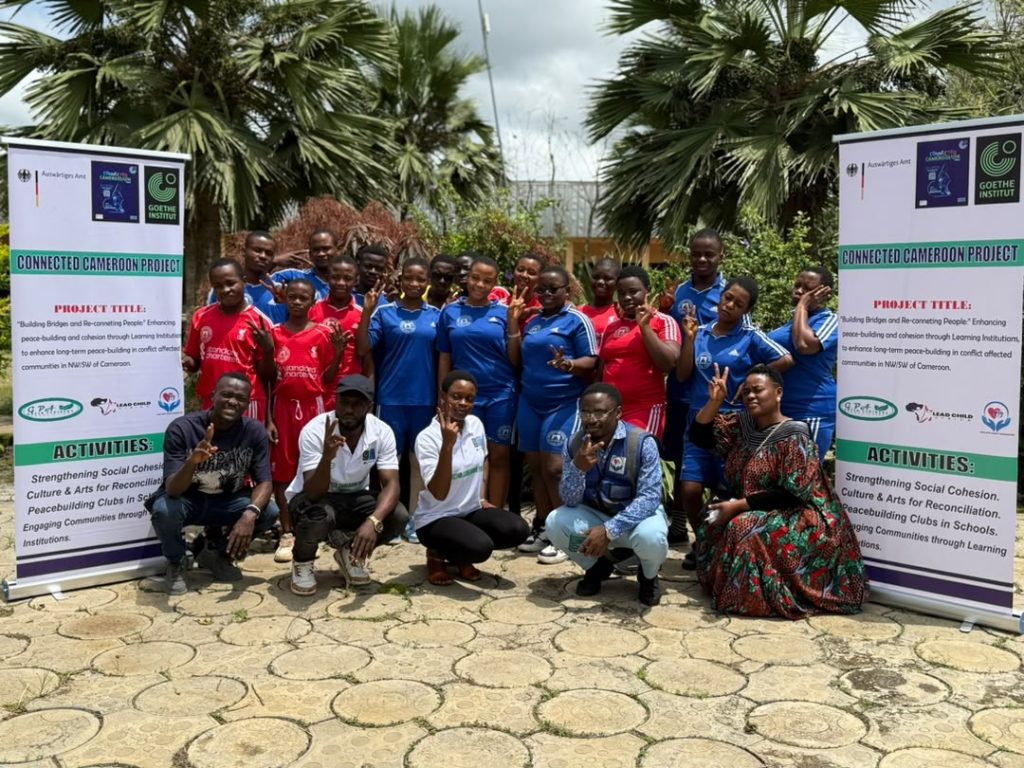
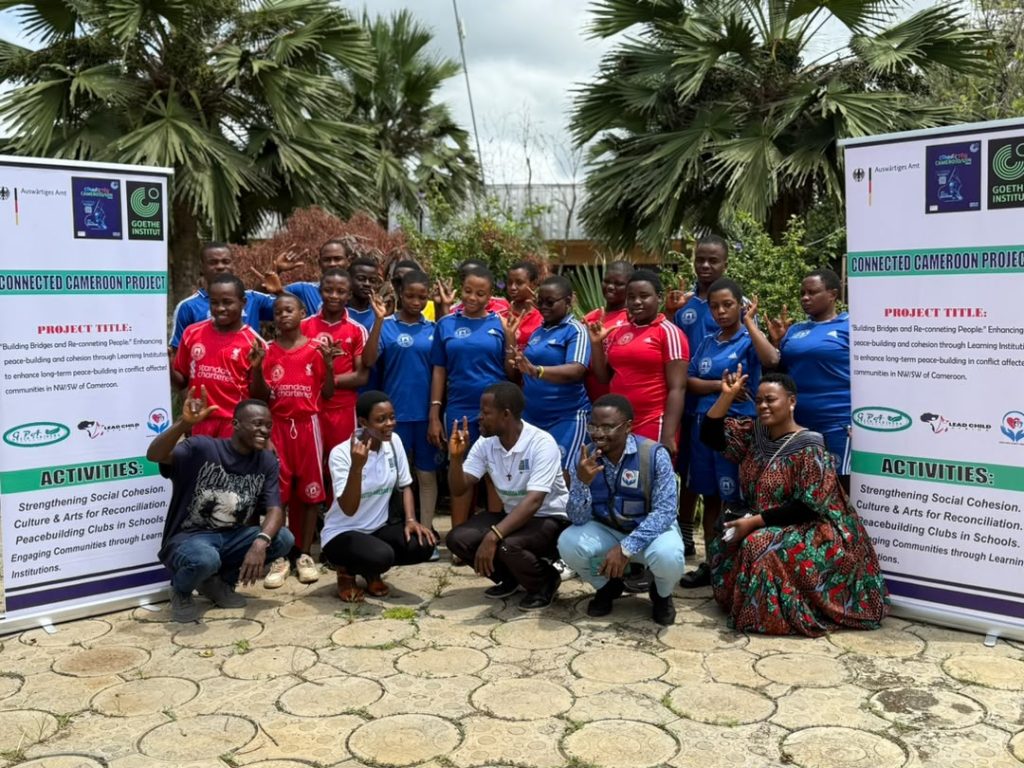
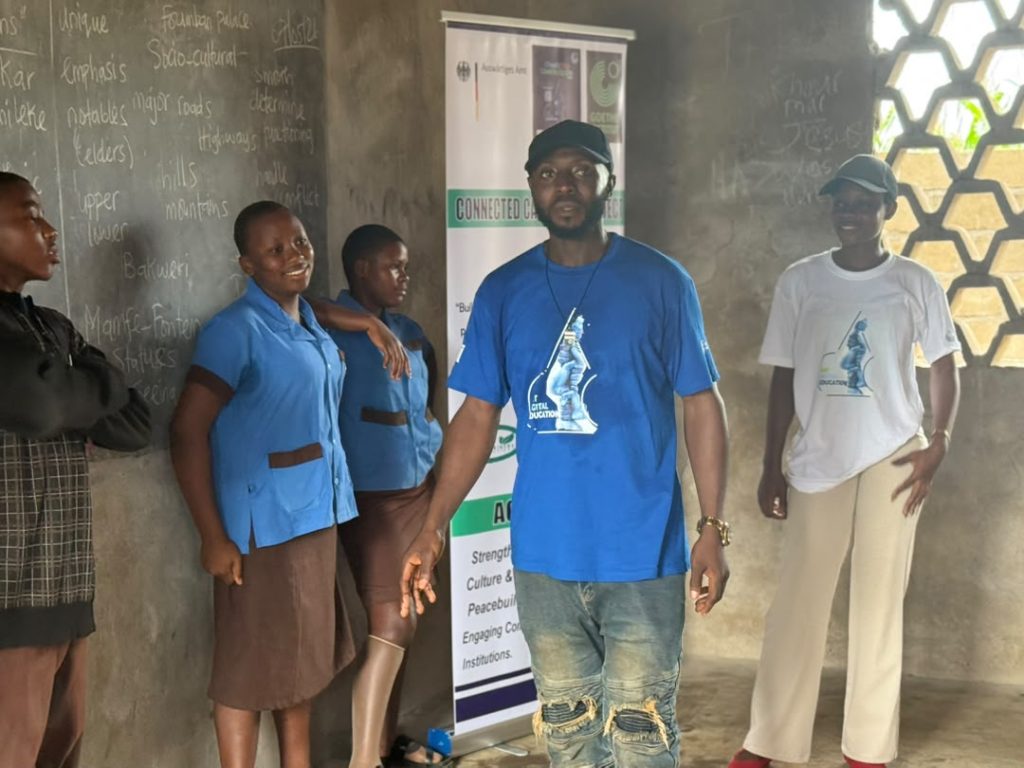
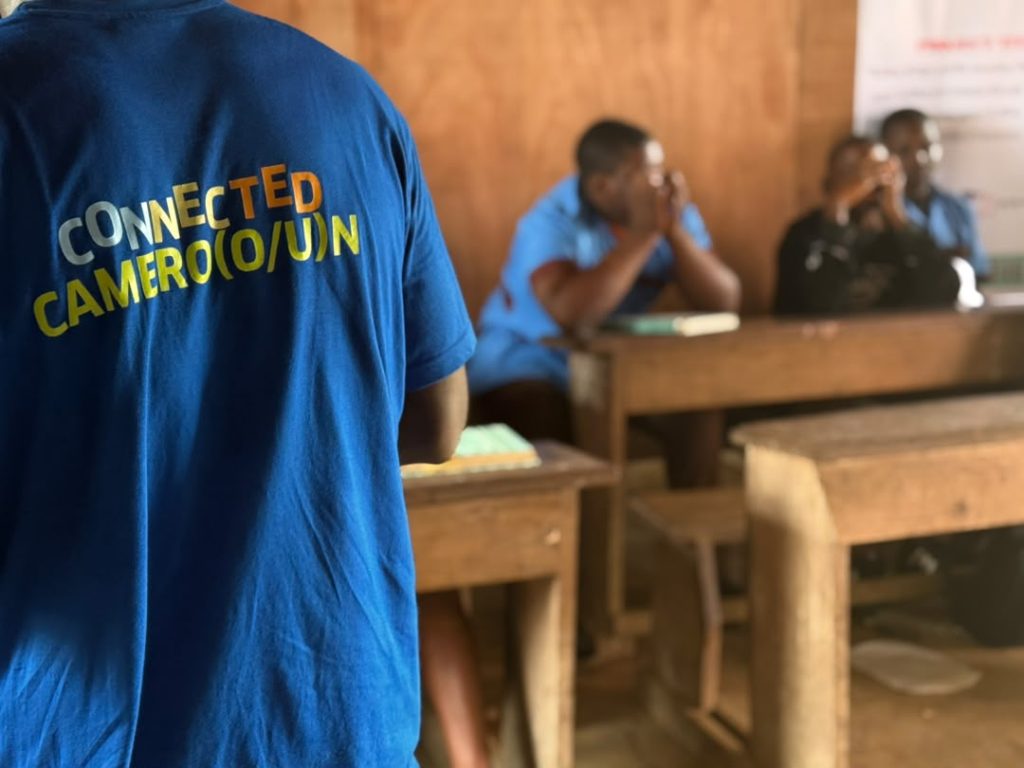
The clubs also created opportunities for students to express themselves, listen to their peers, collaborate on activities and develop confidence in communicating messages that encourage peaceful relationships.
Members were encouraged to recognise that peace is not simply the absence of fighting. It also involves respect, inclusion, understanding, dialogue, cooperation and the willingness to address disagreements without causing harm.
The establishment of the clubs therefore marked an important step in raising young Peace Ambassadors who could influence the attitudes and behaviours of their peers.
By creating these structures within 20 learning institutions, the project sought to build a foundation for continued student engagement in peacebuilding and social cohesion.
4. Supporting the Clubs Through Mentorship: From Awareness to Practice
Establishing the Peace Clubs was an important achievement, but the project did not stop at their creation.
The next stage involved mentorship sessions with students and the Club Matrons and Patrons. These sessions provided further support to the school-based structures and reinforced the purpose of the clubs.
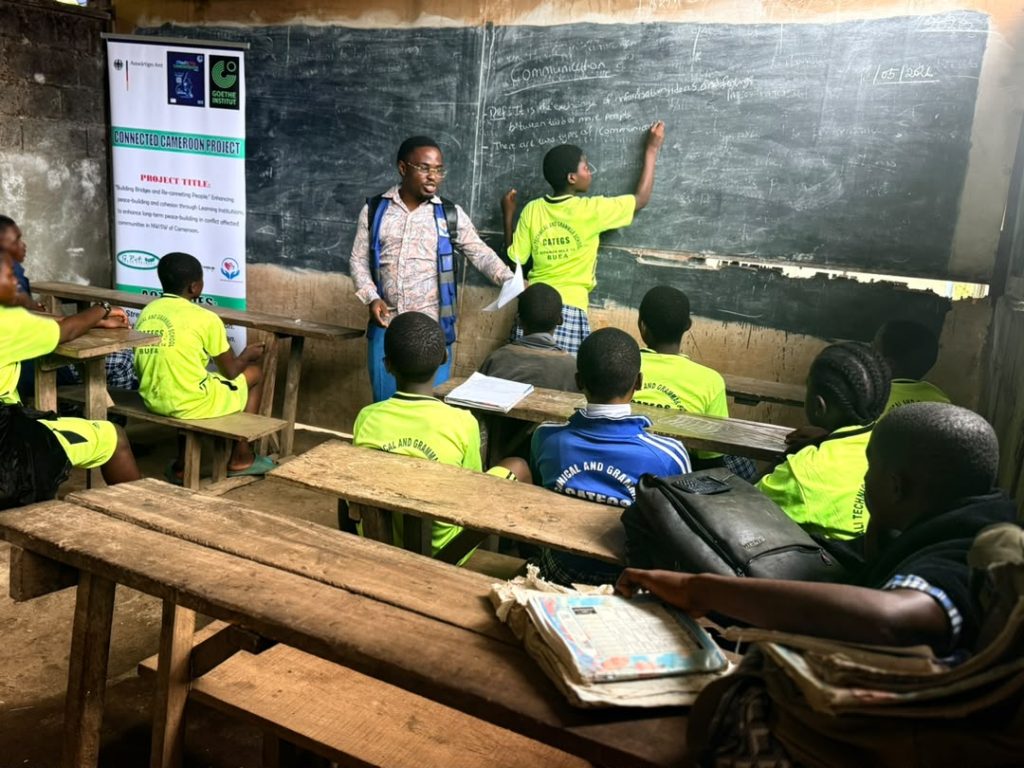
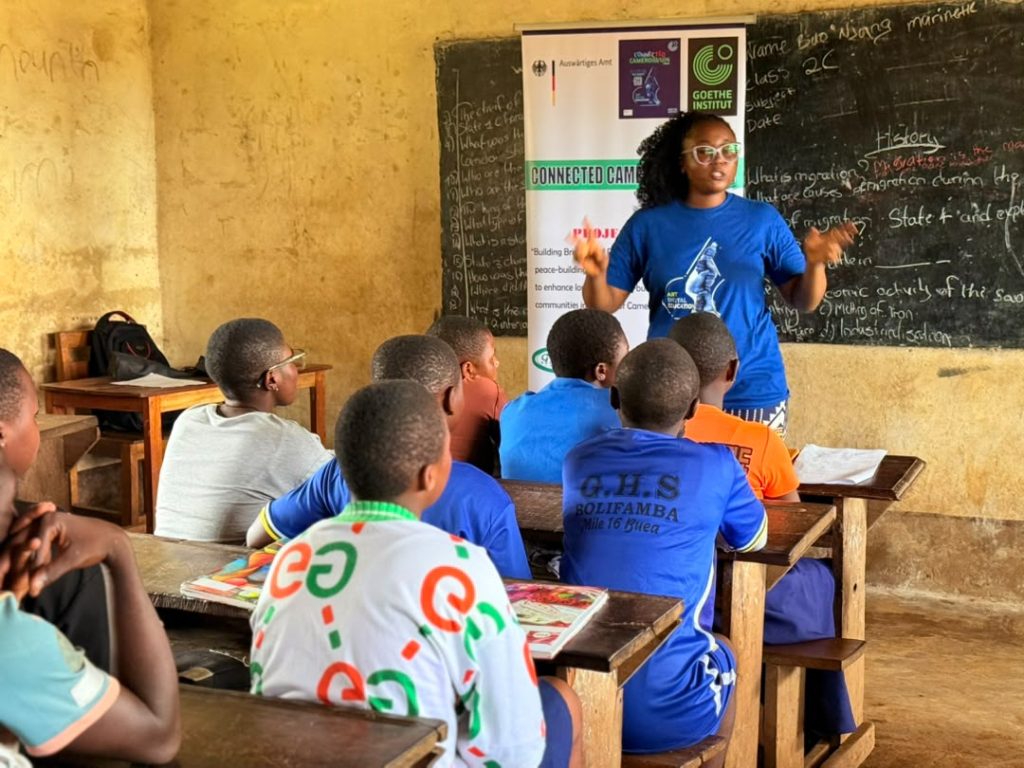
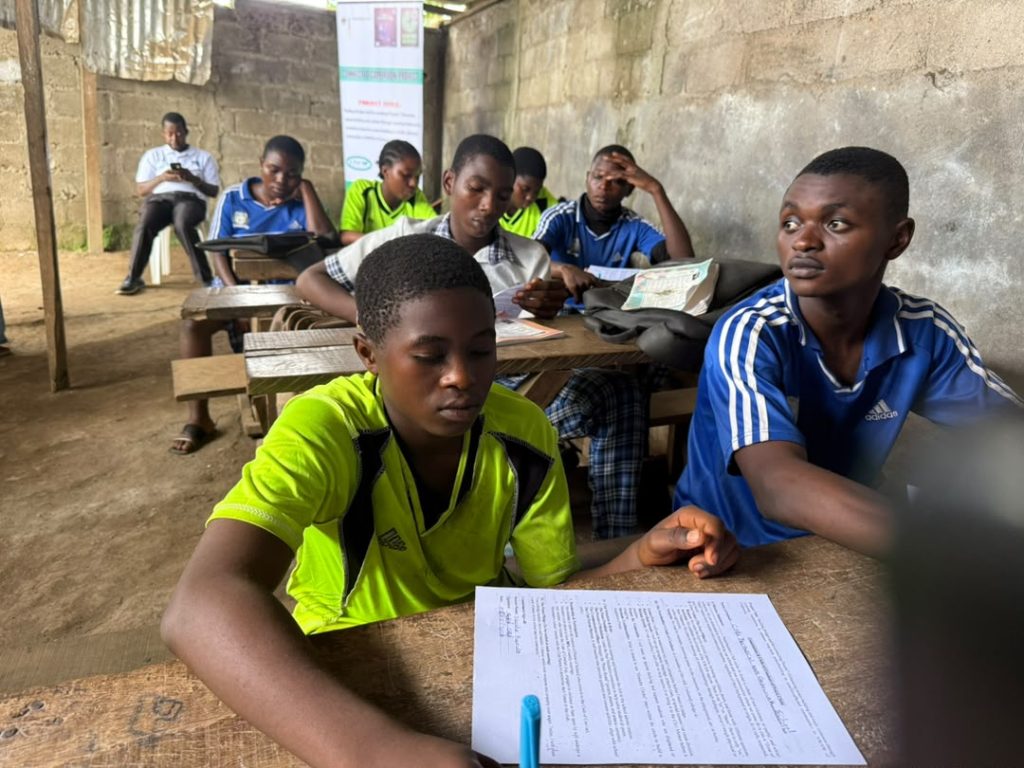
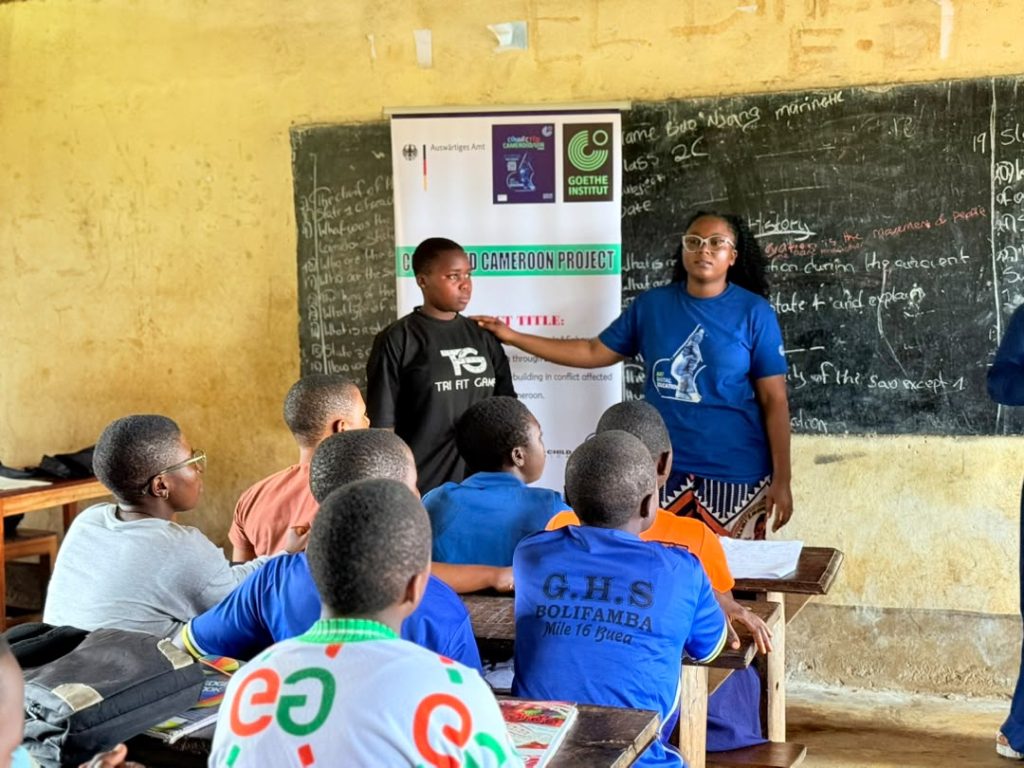
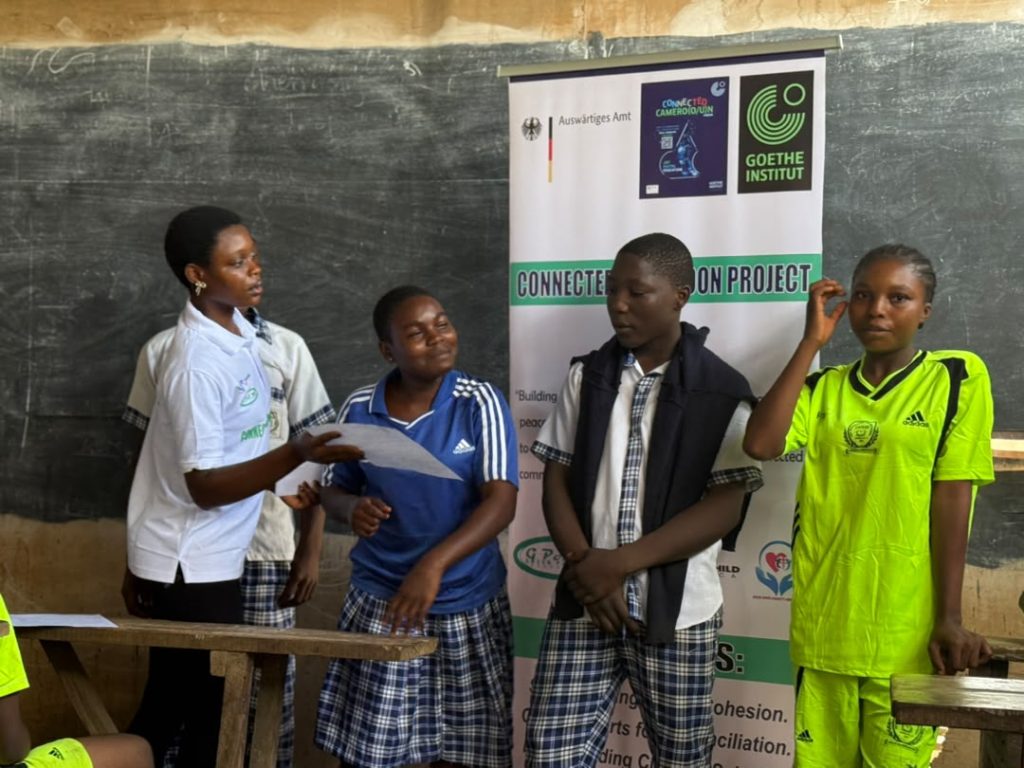
Mentorship was important because students needed more than a formal club membership to become effective Peace Ambassadors. They needed guidance, encouragement and opportunities to reflect on how peacebuilding principles could be applied to real situations within their schools and communities.
The mentorship sessions supported the continued engagement of students and teachers in the Peace Club initiative. They reinforced the role of the clubs as spaces for learning, participation, dialogue and positive peer influence.
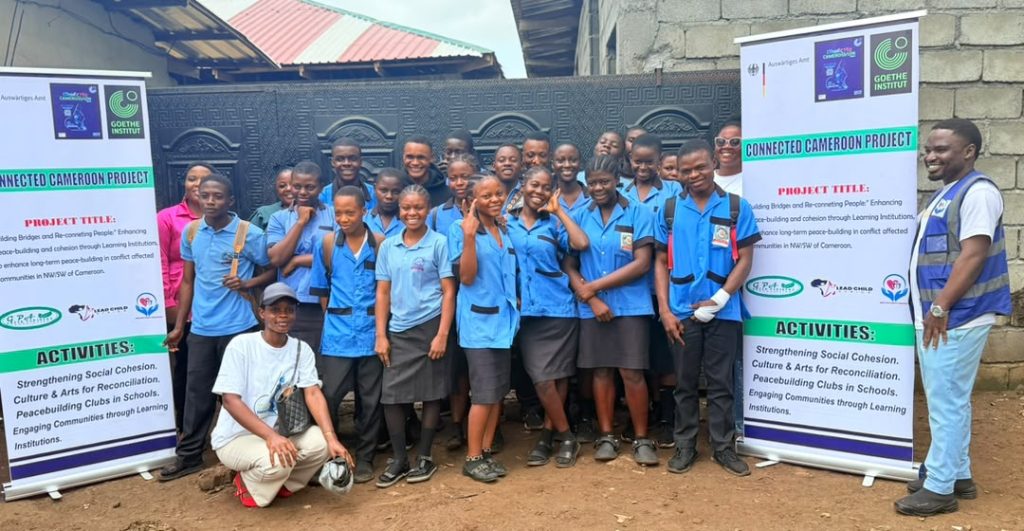
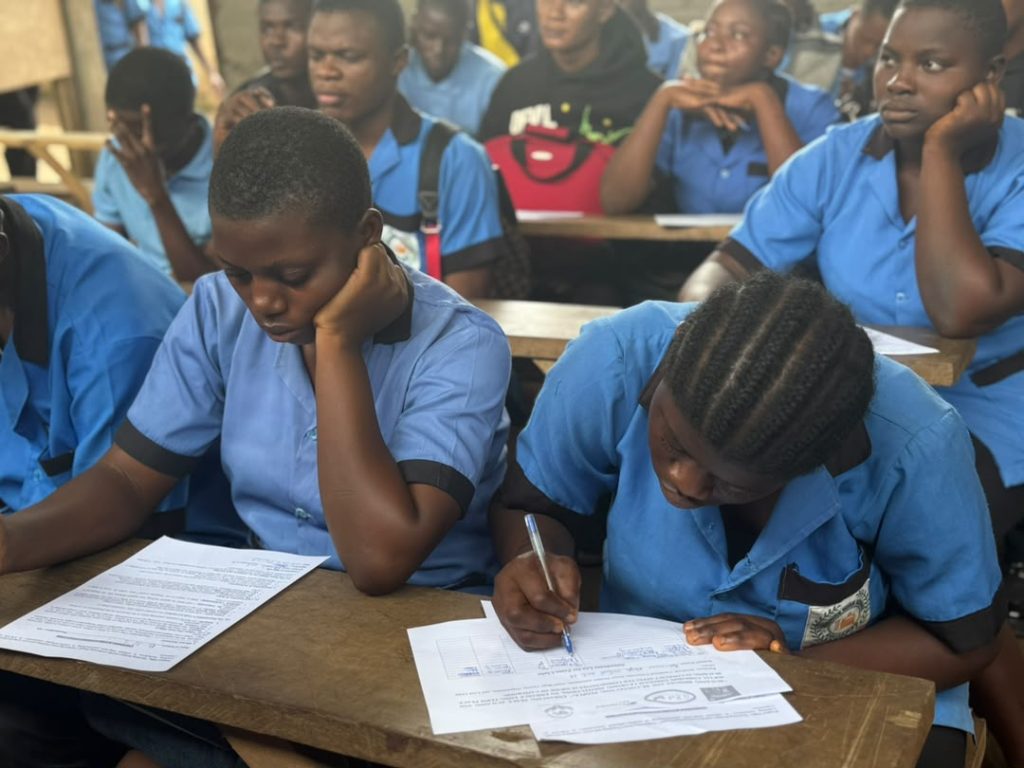
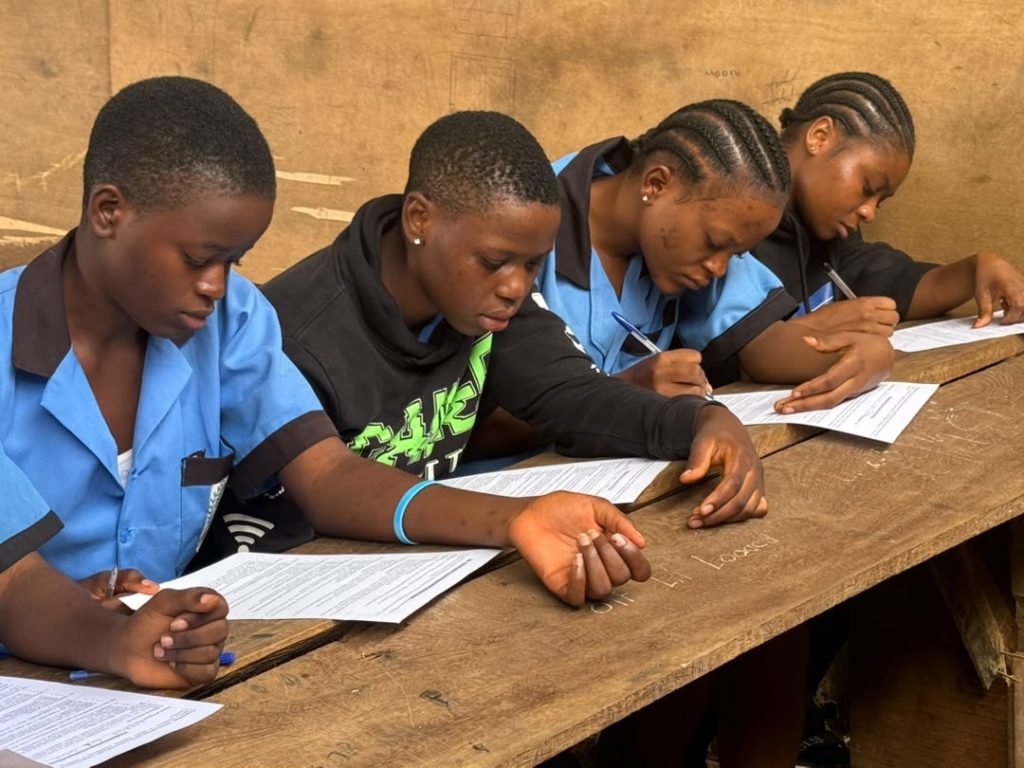
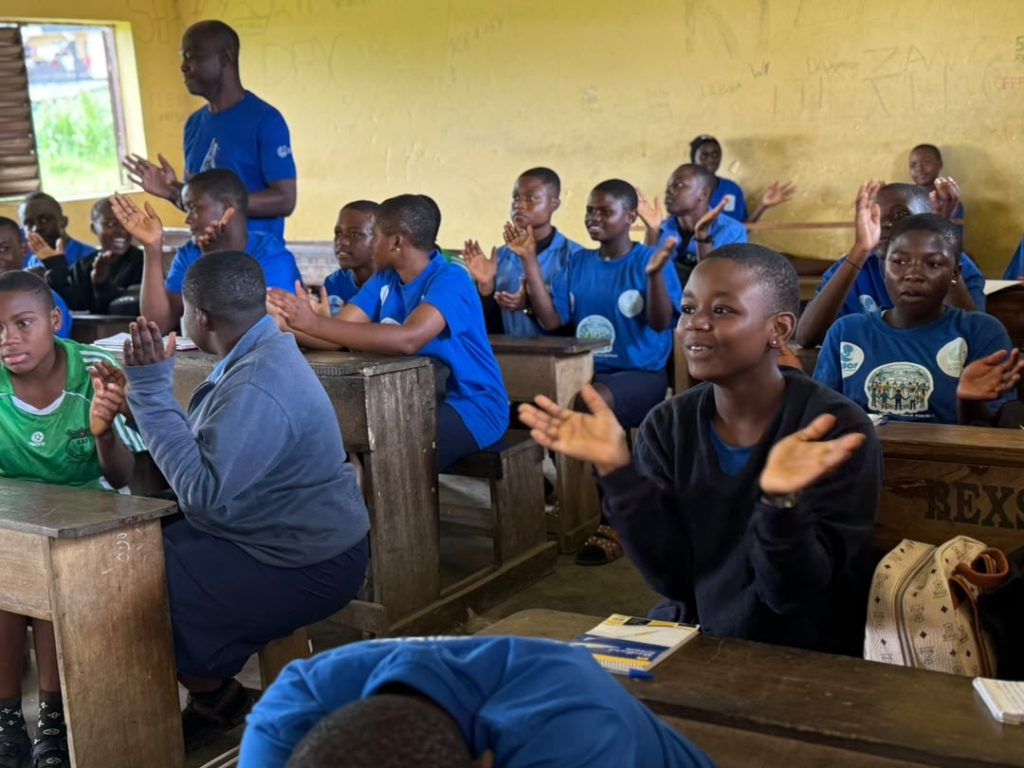
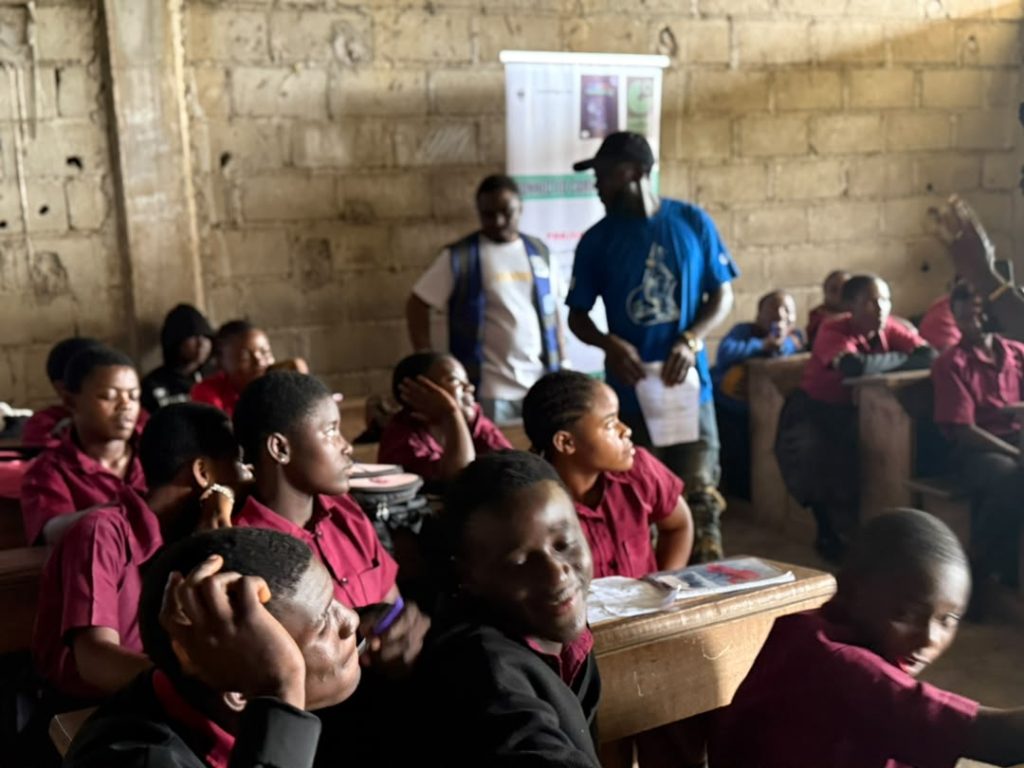
For students, the process encouraged a deeper understanding of their responsibilities in promoting peaceful coexistence. Being a Peace Ambassador means recognising that personal conduct matters, that words can either resolve or intensify disagreements, and that students can influence the atmosphere around them through their everyday choices.
For Matrons and Patrons, mentorship reinforced the importance of remaining involved in the clubs and guiding students as they developed and carried out their activities.
The sessions also helped connect the different stages of the project. The training prepared teachers to support the clubs, the establishment process created the structures, and mentorship helped reinforce the engagement needed to keep those structures active.
This approach reflected the project’s broader commitment to making peacebuilding a continuing practice within learning institutions rather than a one-off sensitisation exercise.
5. Giving Young People a Voice: The Grand Finale Brings 20 Peace Clubs Together
The first phase culminated in a grand finale that brought together representatives of all 20 Peace Clubs, with 10 clubs from the Northwest Region and 10 from the Southwest Region.
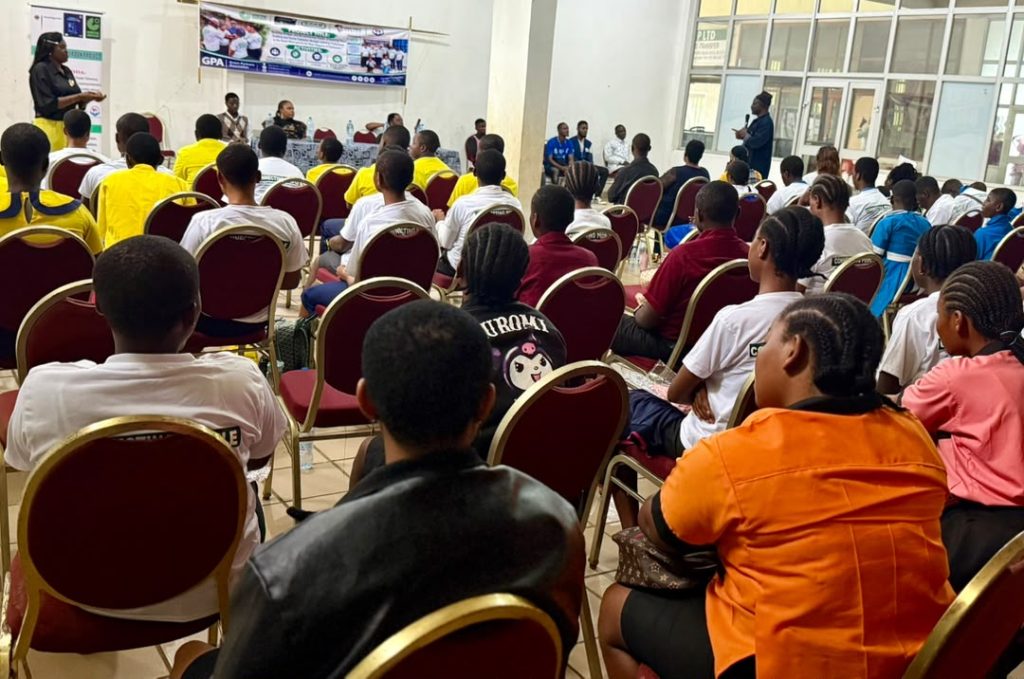
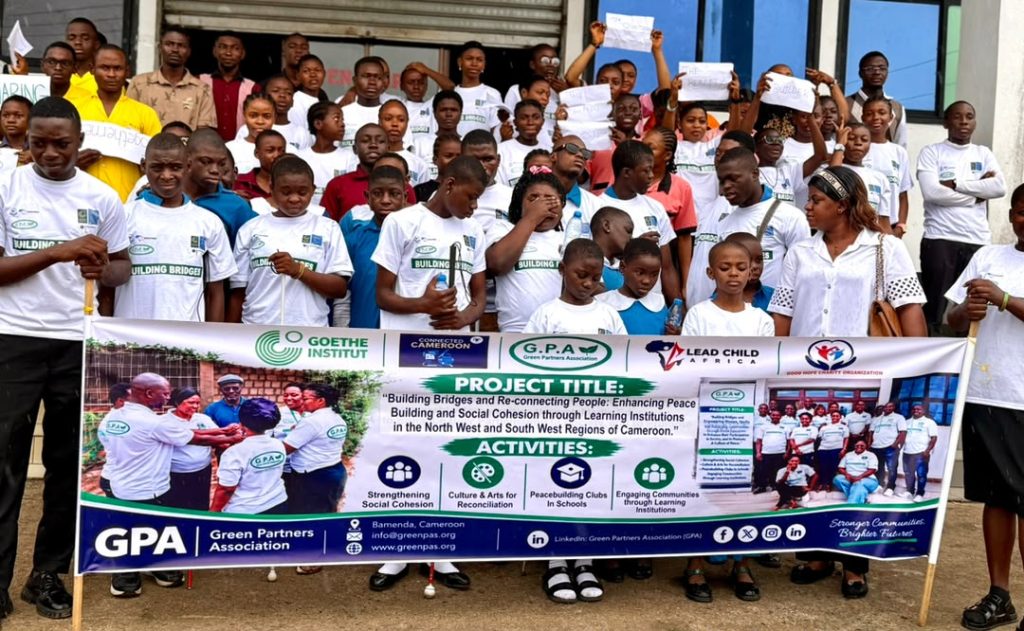
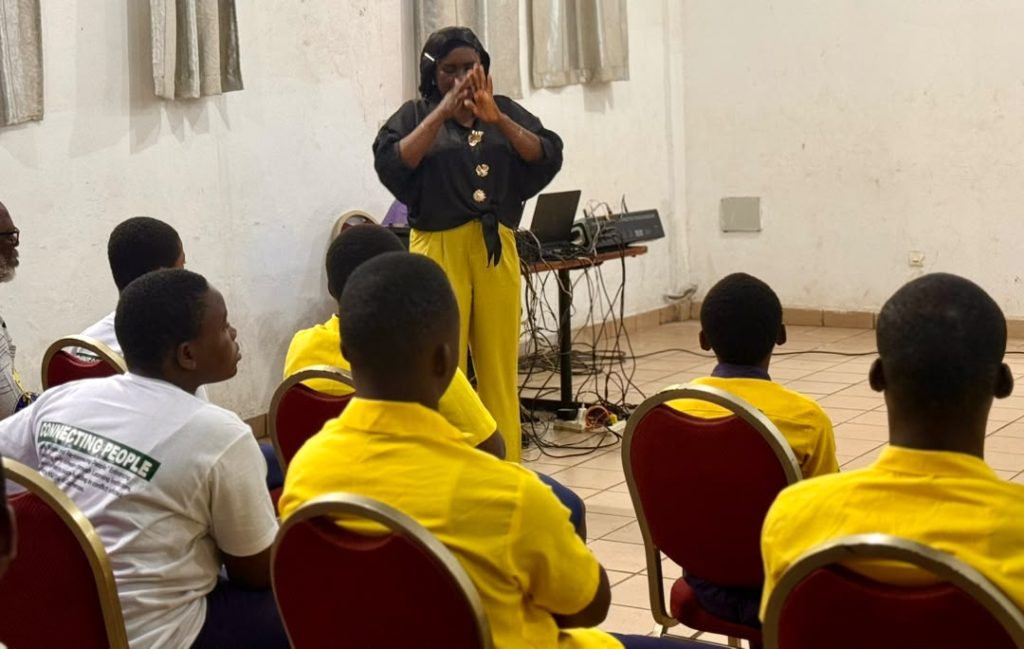
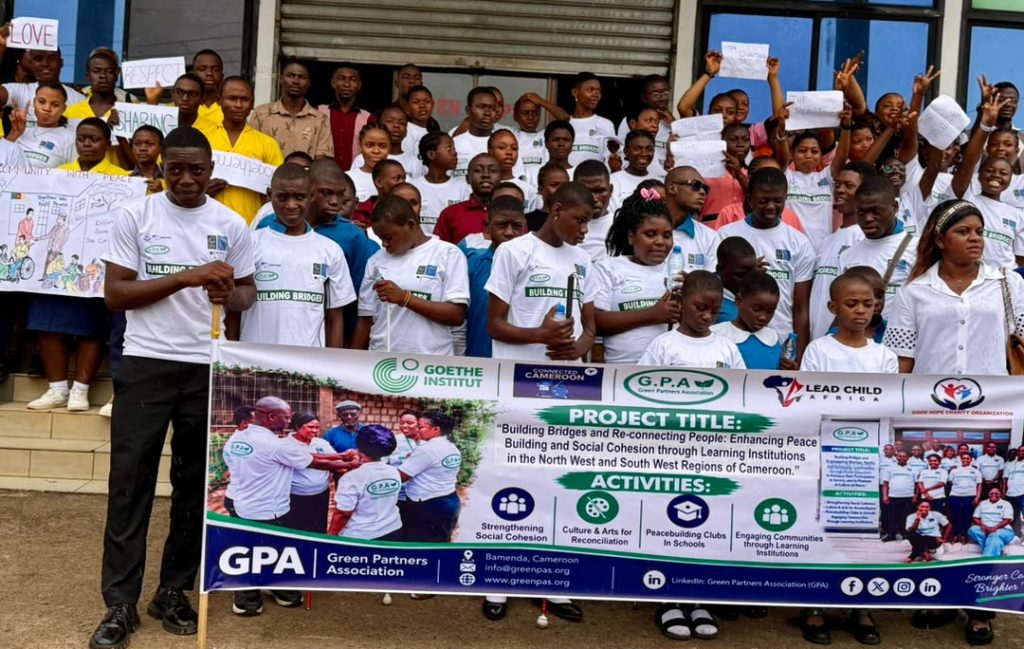
The gathering provided an opportunity for students to share what they had developed through the project, interact with peers from other schools and demonstrate how peace can be communicated through different forms of creative expression.
More than 150 students participated in the school peacebuilding showcase, which featured artistic performances, poetry, debate, spoken word, peace songs, drama and other student-led presentations.
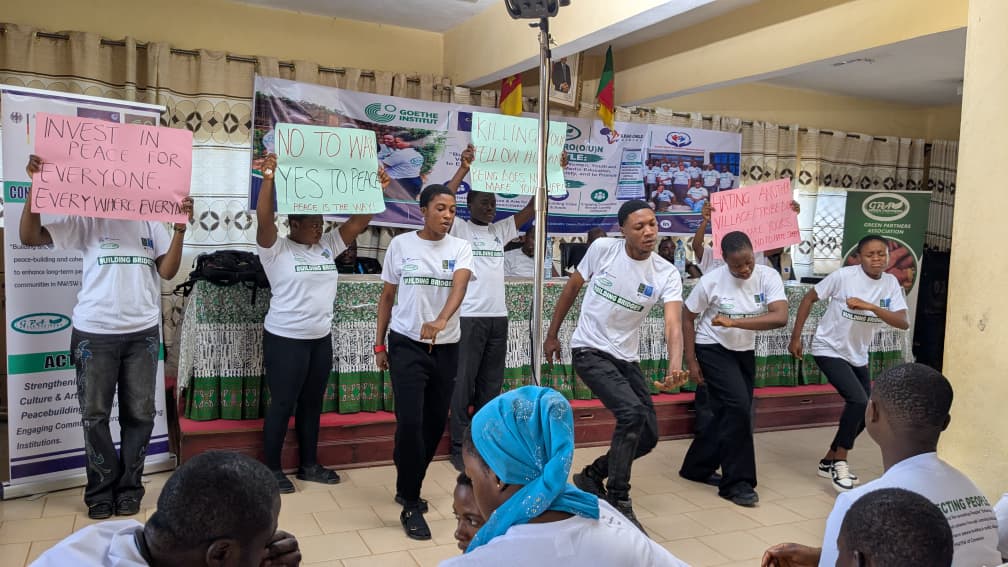
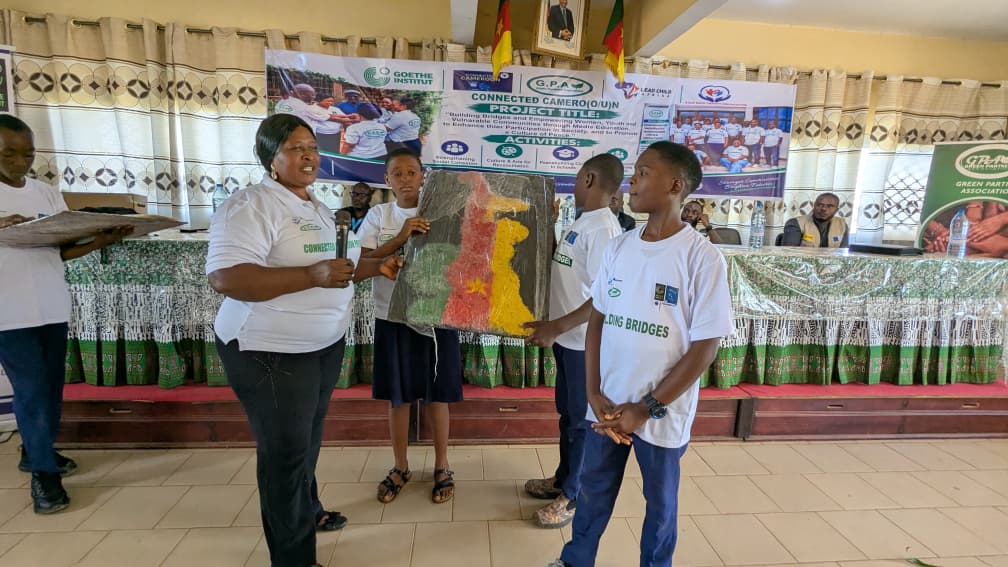
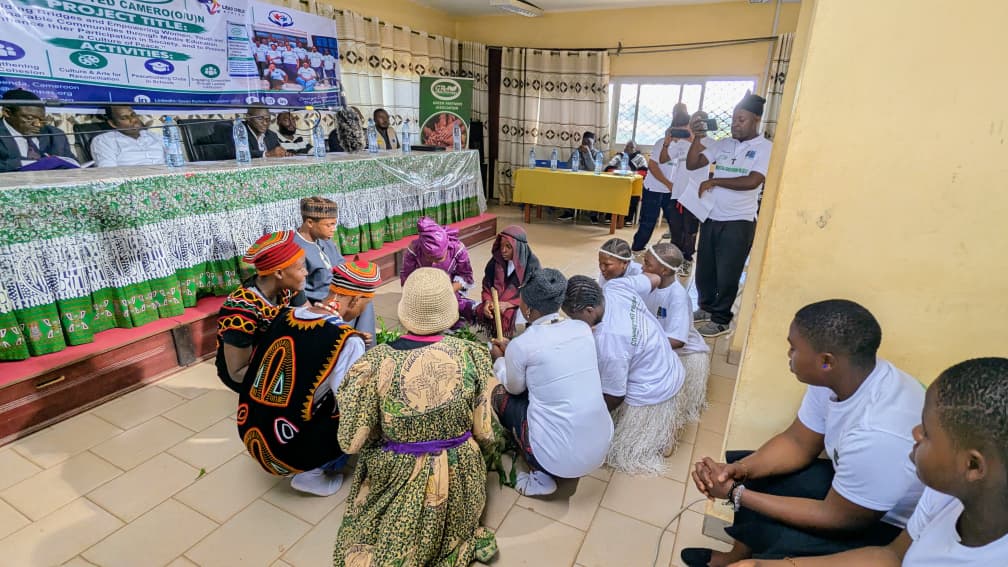
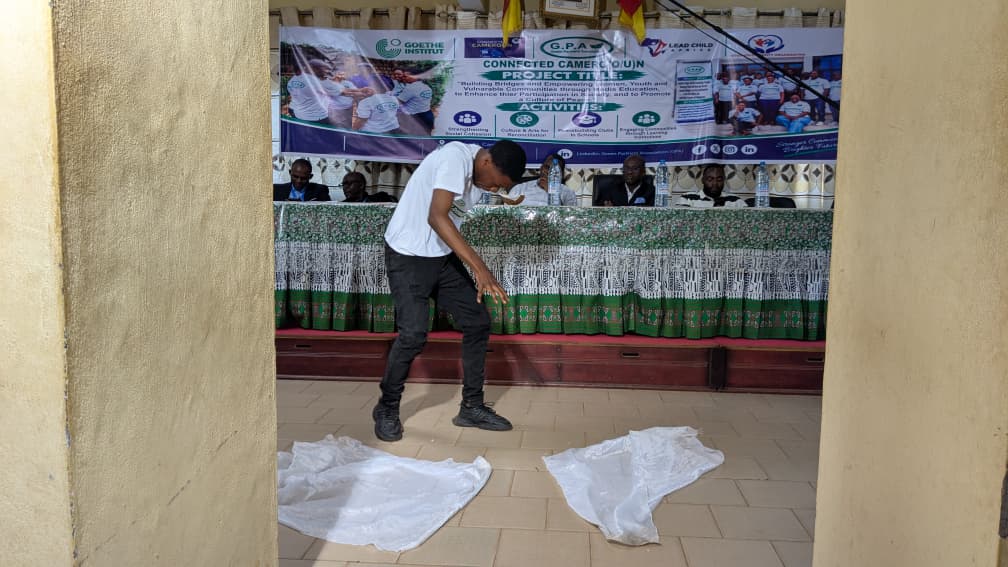
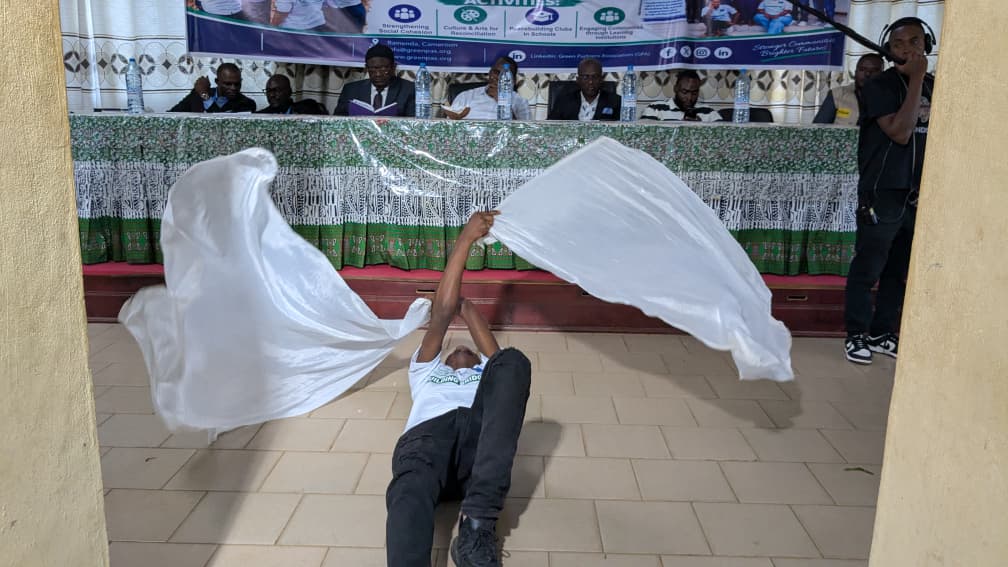
The event was more than a closing ceremony. It was a platform for young people to express their understanding of peace, demonstrate their talents and engage with the idea that they have a role to play in building more peaceful schools and communities.
Art, poetry and spoken word: Expressing peace beyond the classroom
Through poetry and spoken word, students communicated messages about peace, unity, respect and peaceful coexistence. These performances created opportunities for young people to articulate their ideas in their own words and engage their audiences emotionally and intellectually.
Participating schools included Charity Conference Academy, Champions Comprehensive Bilingual School and Holy Child Comprehensive, whose students presented poems as part of the programme.
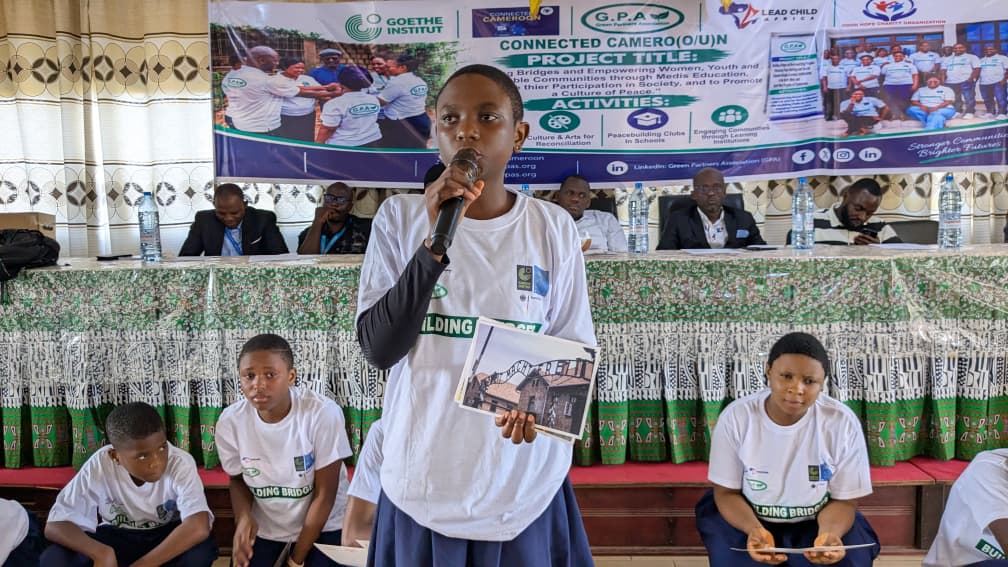
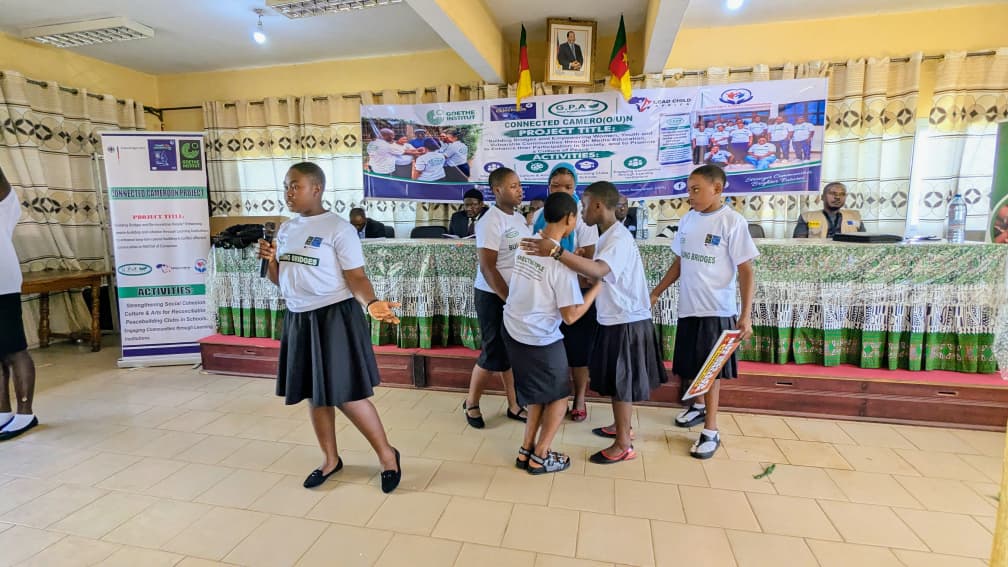
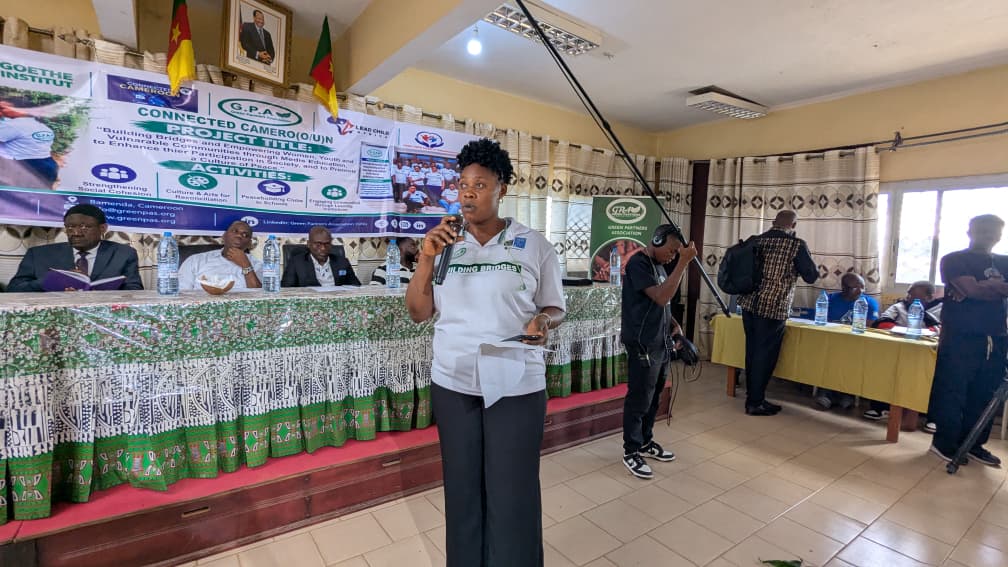
Students from the School for the Deaf also contributed spoken-word performances, including a presentation by Mvo Raphael. Their participation demonstrated the importance of creating opportunities for young people with different communication needs and experiences to contribute to peacebuilding.
These presentations reinforced an important message: young people do not need to hold formal positions of authority to influence their communities. Their voices, experiences and creativity can help shape how others understand peace.
Peace songs: Using music to communicate unity
Students from the School for the Visually Impaired, also referred to during the programme as the School for the Blind, presented a peace song.
Music offered another way for students to communicate messages of unity and peaceful coexistence. Through the performance, students contributed to a shared celebration of peace and demonstrated that artistic expression can be an accessible and meaningful tool for peace education.
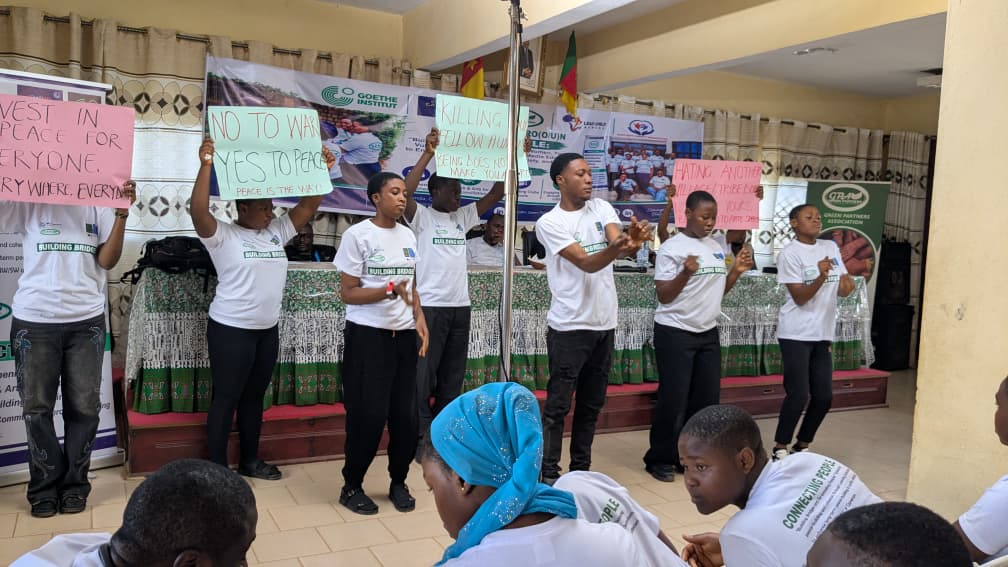
The performance also highlighted the importance of creating inclusive platforms where students can participate and contribute their talents in different ways.
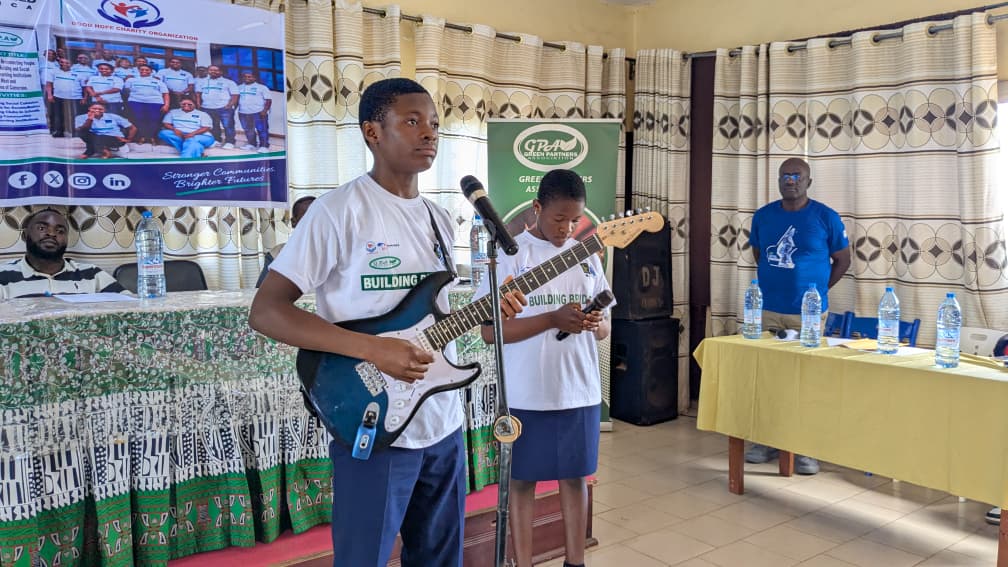
Debate and dialogue: Encouraging students to think critically about peace
Debate and panel discussions provided students with opportunities to reflect on the causes of conflict, the responsibilities of young people and the practical steps they can take to promote peaceful relationships.
Students from schools including Champion’s Comprehensive and Charity High School participated in discussions exploring the role of young people in promoting peace and the ways individual actions can contribute to either conflict or peaceful coexistence.
These conversations were important because peacebuilding requires more than repeating messages about unity. It also requires the ability to think critically about why conflicts arise, how misunderstandings develop and what individuals can do to prevent disagreements from escalating.
By giving students opportunities to engage with these questions, the project encouraged them to see peace as a shared responsibility that begins with individual decisions and extends to the wider school community.
Drama and skits: Learning through real-life situations
Students from St. Bernard presented a skit as part of the grand finale.
Drama offered a practical way to explore interpersonal relationships and communicate lessons about peaceful coexistence. By presenting situations through performance, students could engage audiences with familiar experiences and demonstrate the importance of making constructive choices when faced with disagreements.
Such creative approaches can help make peace education more relatable, particularly for young people who may find it easier to understand complex social issues when they are presented through stories, characters and situations they recognise.
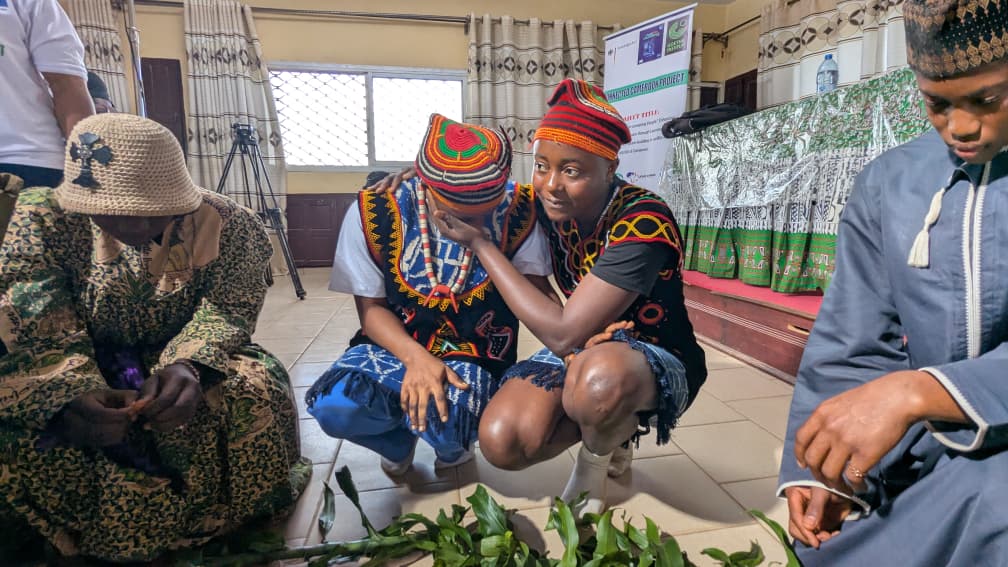
Arts, crafts and inclusive participation
Students from the School for the Deaf also showcased arts and crafts, with interpretation supporting communication during their participation.
Their contribution added another dimension to the event, demonstrating that peacebuilding can be expressed through visual creativity as well as spoken or written communication.
The inclusion of these students was an important reminder that efforts to promote peace and social cohesion must also consider accessibility, participation and the contributions of young people with different abilities.
A peaceful school environment is one in which students are not excluded because of disability, communication barriers or differences in how they express themselves.
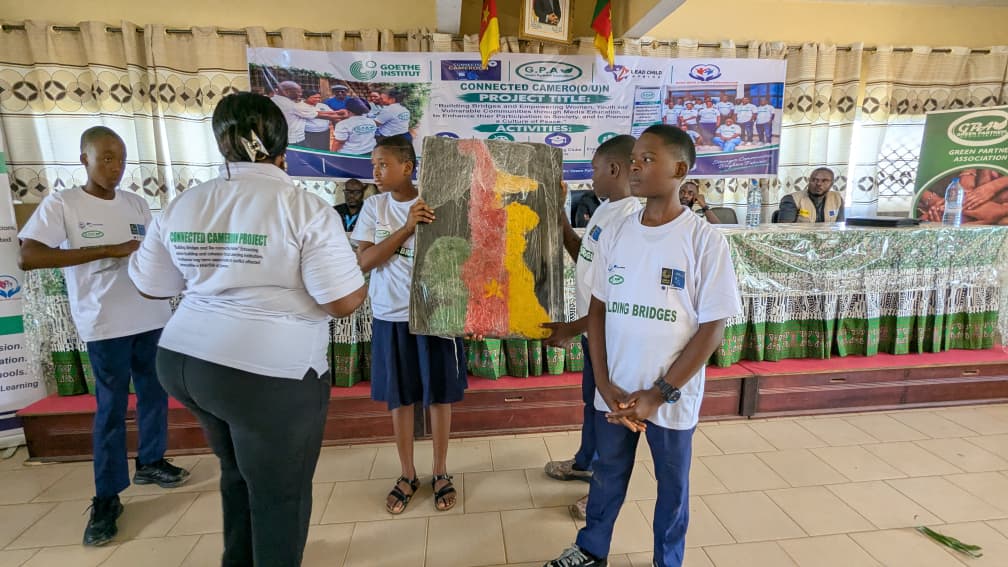
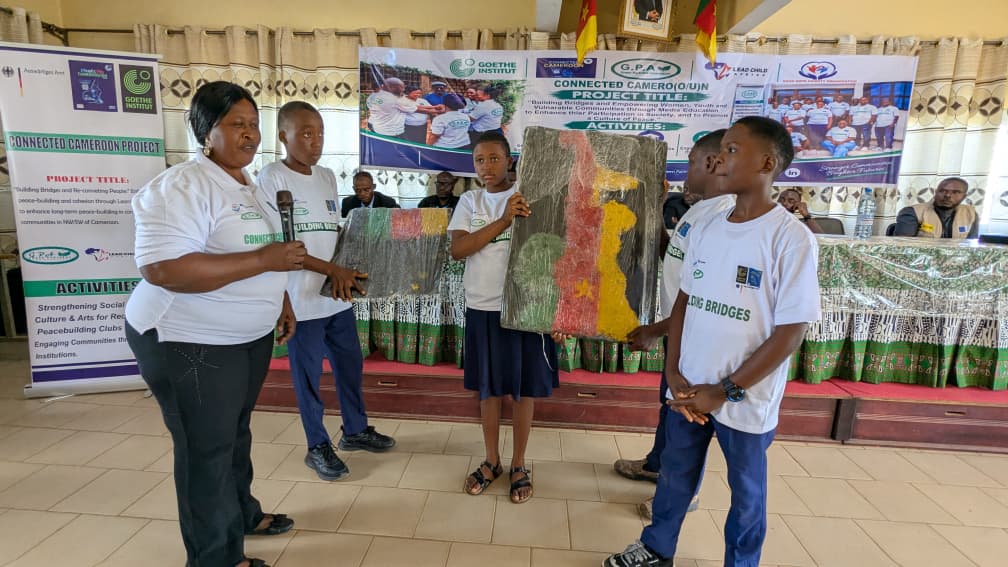
The showcase therefore provided an opportunity to celebrate not only the talents of participating students but also the value of creating spaces in which different voices can be heard and appreciated.
Recognising the role of schools and stakeholders
The grand finale brought together students, teachers, project representatives and other stakeholders to celebrate the work undertaken during the first phase.
The participating schools demonstrated the range of ways in which students can engage with peacebuilding, from artistic expression and debate to collaborative performances and practical messages about peaceful coexistence.
The event concluded with opportunities for interaction, photographs and refreshments, allowing participants to connect and celebrate their collective involvement.
Most importantly, the finale gave the 20 Peace Clubs a shared platform. Schools that had been working within their respective environments were able to come together around a common purpose: promoting peace and social cohesion through the active participation of young people.
6. A Partnership Built Around a Shared Commitment to Peace
The first phase of Building Bridges and Re-Connecting People was made possible through the collaboration of three implementing organisations, each contributing to the implementation of the project within the designated region.
Green Partners Association led implementation in the Northwest Region, working with 10 selected schools to support the establishment and development of Peace Clubs and the participation of students in the project activities.
Lead Child Africa (LCA) and Good Hope Charity Organization jointly implemented the project in the Southwest Region, supporting the 10 selected schools through the training, club establishment, mentorship and final showcase processes.
The collaboration brought together organisations working towards a common objective: strengthening peacebuilding and social cohesion through learning institutions and supporting young people to take an active role in promoting peace.
The project was funded by the German Federal Government through the Goethe-Institut Cameroon, whose support made the implementation of this first phase possible.
The partnership demonstrated the value of collaboration in community-based peacebuilding. By working across two regions and engaging 20 schools, the implementing organisations helped create opportunities for students and teachers to participate in a shared process of learning, reflection and action.
7. What the First Phase Has Established
The completion of the first phase represents an important milestone in creating school-based structures for peacebuilding in the Northwest and Southwest Regions of Cameroon.
Through the activities implemented, the project achieved the following key milestones:
- 20 schools engaged: Ten schools in the Northwest Region and 10 in the Southwest Region were selected to participate in the initiative.
- Teachers prepared to support peacebuilding: Club Matrons and Patrons received training to strengthen their role in guiding school-based Peace Clubs.
- 20 Peace Clubs established: The project created structures through which students could engage in peace education and promote peaceful coexistence.
- Students and teachers supported through mentorship: Mentorship sessions reinforced the engagement of Peace Club members and their adult mentors.
- More than 150 students brought together: The grand finale created a shared platform for students from the two regions to demonstrate their work and exchange ideas.
- Multiple forms of student expression promoted: Poetry, debate, spoken word, peace songs, drama, arts and crafts provided different avenues for communicating messages of peace.
- Young Peace Ambassadors encouraged: The project supported the development of students as active participants in promoting peaceful relationships within their schools and beyond.
These milestones provide a foundation for continued engagement with peacebuilding in the participating schools.
However, establishing Peace Clubs is only the beginning. Their longer-term contribution will depend on continued student participation, the commitment of Club Matrons and Patrons, opportunities to organise activities and the ability of schools to sustain the culture of dialogue and peaceful coexistence encouraged by the project.
The first phase has therefore laid important groundwork for strengthening peacebuilding as part of school life.
8. Looking Ahead: Keeping the Bridges Open
The title Building Bridges and Re-Connecting People reflects the project’s central belief that peace requires people to find ways to communicate, understand one another and work together despite their differences.
In schools, this begins with small but meaningful actions: listening before responding, respecting differences, refusing to encourage bullying, resolving disagreements through dialogue and recognising the dignity of every student.
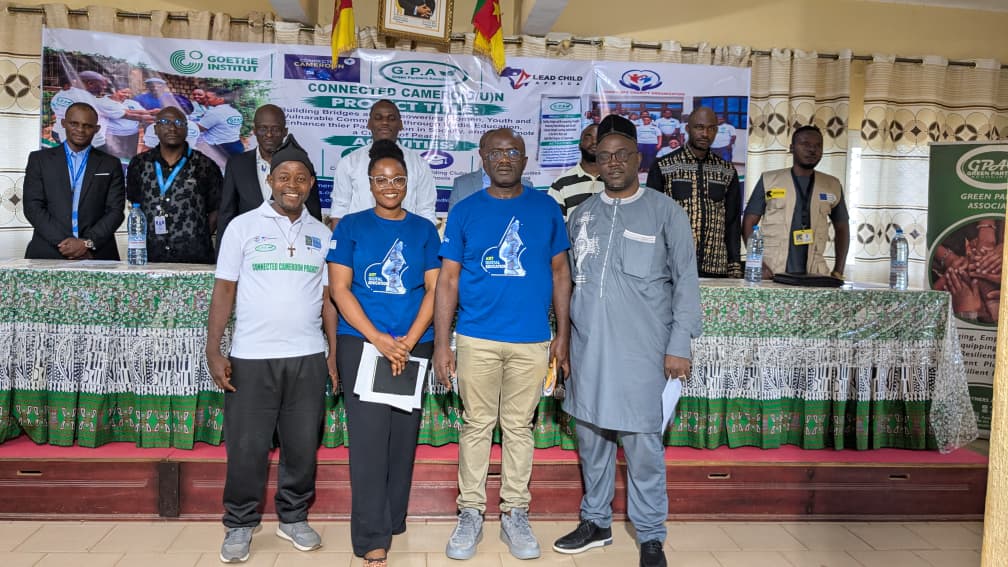
The 20 Peace Clubs established through this first phase provide a platform for students to continue exploring and practising these principles.
The young people engaged in the initiative are not expected to resolve every conflict within their schools or communities. Rather, they are being encouraged to recognise the influence they already have and to use it responsibly.
A student who chooses dialogue over violence, includes a peer who has been excluded, or challenges behaviour that undermines peaceful coexistence is already contributing to a more peaceful environment.
The challenge ahead is to ensure that the lessons from the first phase continue to shape the everyday experiences of students, teachers and school communities.
For Green Partners Association, Lead Child Africa and Good Hope Charity Organization, the completion of this first phase is an opportunity to recognise the progress made while reaffirming the importance of sustained, community-driven peacebuilding.
The journey continues beyond the grand finale. It continues in classrooms, school corridors, friendships, disagreements and the everyday decisions through which young people learn to live together.
Because peace is not built by one event or one organisation. It is built when individuals and communities choose to make it part of how they live, learn and relate to one another.
Twenty schools. Twenty Peace Clubs. A shared commitment to peace.
Through Building Bridges and Re-Connecting People, students across the Northwest and Southwest Regions have taken an important step towards becoming active contributors to peaceful and cohesive school communities.
The bridges have been established. The next step is to keep them strong.
Project: Building Bridges and Re-Connecting People: Enhancing Peacebuilding and Social Cohesion through Learning Institutions
Implementing organisations: Green Partners Association; Lead Child Africa (LCA); Good Hope Charity Organization
Geographical coverage: Northwest and Southwest Regions of Cameroon
Participating schools: 20 schools — 10 in each region
Funding: German Federal Government through the Goethe-Institut Cameroon